
Let's be real about what hormonal changes actually do
Hormonal shifts mess with arousal in specific, predictable ways. Your brain doesn't suddenly stop wanting pleasure. Your tissues change. Your timing changes. The pathway to desire gets longer. And here's the part nobody tells you: the right tool can meet you exactly where your body is now, not where it used to be.
That's where lemon vibrators come in. The design of a lemon clitoral vibrator addresses the exact friction points that emerge when hormones shift, making it one of the smartest choices for rebuilding arousal when your body feels unfamiliar to you.
How hormonal changes rewire your arousal
When estrogen drops, tissue thins and lubrication takes longer to arrive. Testosterone also declines, and yes, people with ovaries produce testosterone—it's a major driver of spontaneous desire and sensitivity. Your pelvic floor muscles lose elasticity. All of this means arousal doesn't happen on the old timeline anymore.
Most people interpret this as desire disappearing. It hasn't. It's just operating on a different schedule and responding to different inputs.
The secondary effects are equally important. Anxiety often increases during hormonal transitions, which dampens arousal further. Sleep quality usually drops, tanking motivation and sensation. Some medications that treat these secondary effects (SSRIs, for example) create their own arousal friction.
What you're dealing with isn't broken desire. It's arousal in a new operating system. And the lemon vibrator is specifically engineered for that system.
Why suction technology works better when arousal is slow to build
A lemon clitoral vibrator uses air-pulse suction instead of direct vibration. This matters enormously when you're rebuilding arousal after hormonal change.
Here's why: traditional vibrators demand that your tissue is already plump with blood and ready to receive stimulation. They work best when arousal is already in progress. But when hormone-driven changes have slowed your arousal timeline, you need a tool that gently wakes up the tissue, drawing blood flow to the clitoris without requiring you to already be aroused.
Suction does that. It creates a gentle pressure change that stimulates the clitoral nerve cluster without the aggressive friction that can feel uncomfortable on thinner tissue. For people rebuilding arousal after hormonal shifts, this is the difference between "I can feel something" and "oh, there it is."
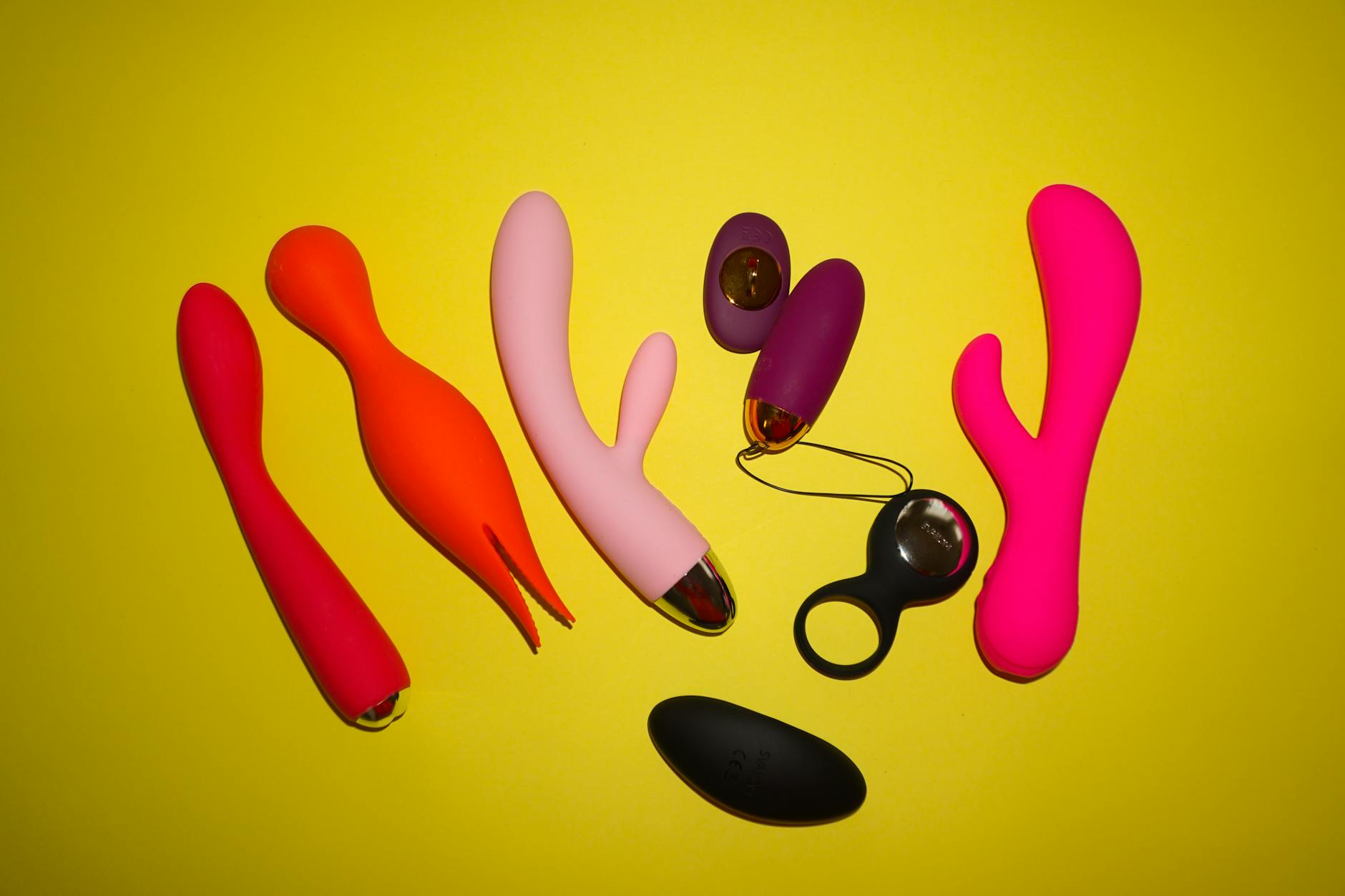
Photo by FounderTips on Pexels
Many clients report that a lemon vibrator actually shortens the time it takes to reach arousal during hormonal transitions. Not because it's magic, but because it's biomechanically aligned with how your body currently works.
The psychological piece: rebuilding trust in your body
Hormonal changes don't just alter physiology. They alter your relationship with your own body. You reach for arousal and it doesn't come. You try and fail. You stop trying. After a few cycles of this, your brain learns that sex is a disappointment, and your nervous system stays guarded.
Switching to a lemon clitoral vibrator breaks that pattern for a specific reason: it actually works when the old tools don't. When you experience success—when arousal arrives, when sensation intensifies, when an orgasm actually happens—your brain rewires what's possible.
I've seen clients go from "I don't think I can come anymore" to "I wasn't broken, I just needed the right tool." That psychological shift is as important as the physiological one.
Practical integration with your current body
Here's the tactical approach that works best when arousal feels fragile:
Start with longer warm-up. Forget the five-minute quickie if you're rebuilding arousal post-hormone-shift. Budget 20-30 minutes. Use a lemon vibrator on the gentlest setting (usually patterns 1-3 on most models) and just let your body respond. No performance goal.
Use lubrication strategically. Even if you can produce some natural lubrication, a water-based lube amplifies what the lemon vibrator is doing. It reduces any micro-friction and helps the suction work more effectively. Apply generously.
Experiment with timing. Some people find that arousal comes more easily in the morning, others in the evening. Hormonal changes often shift this. A lemon clitoral vibrator works across different arousal conditions, so try using it at different times of day and note what works.
Build a sequence, not a sprint. If partnered sex is part of your life, don't make the lemon vibrator a replacement for intimacy. Use it to warm up, then transition to partnered activity if that appeals to you. This teaches your nervous system that arousal is a buildable thing, not an on-off switch.
When to know a professional can help
A lemon vibrator is a tool, not a treatment. If arousal doesn't improve within 4-6 weeks of consistent, pressure-free use, or if you're experiencing pain, talk to a provider.
Some hormonal changes respond well to topical treatments (like low-dose vaginal estrogen). Others benefit from systemic hormone therapy. And sometimes low arousal after hormonal shifts points to something else entirely—thyroid issues, medication interactions, or relationship friction wearing a hormonal disguise.
A good menopause-trained or hormone-informed provider can sort that out. A lemon vibrator is perfect for the journey, but it's not a diagnosis tool.
The bigger picture: arousal as a learnable skill
One of the most useful reframes I work with clients on is this: arousal isn't a fixed capacity you either have or you don't. It's a skill that changes when your body changes. When you learn to use a lemon clitoral vibrator intentionally, you're not just using a product. You're rebuilding your arousal literacy for your current body.
That's worth the investment. Because the arousal on the other side of hormonal change, once you've rebuilt it? It's often more stable, more intentional, and frankly more satisfying than what came before.
Frequently asked questions
Can lemon vibrators work if I have no natural lubrication?
Absolutely. In fact, that's one reason suction technology is so valuable during hormonal changes. A lemon clitoral vibrator stimulates without requiring your body to pre-produce lubrication. Add water-based lube on top and you're removing the one barrier that might have made other vibrators uncomfortable. Many people find that consistent use actually improves natural lubrication over time as tissue becomes healthier and blood flow normalizes.
How long does it take to feel arousal returning after starting with a lemon vibrator?
This varies wildly based on what caused the arousal shift in the first place. If it's primarily hormonal, many people notice changes within 2-3 weeks. If there's an anxiety or relationship component layered on top, it can take longer. The key is consistency without pressure. Using a lemon clitoral vibrator twice a week, with zero expectation of orgasm, is better than occasional desperate attempts. Your nervous system needs to relearn that pleasure is available and safe.
Is it normal for sensation to feel different during hormonal changes?
Completely normal. You're not imagining it. Tissue thickness changes, nerve sensitivity shifts, and the intensity you're capable of experiencing can both decrease and increase depending on the hormonal pattern. A lemon vibrator's adjustable intensity (usually 5-7 settings) means you can match your current sensation capacity rather than fighting against an expectation that no longer fits your body.
Can I use a lemon vibrator if I'm on hormone therapy?
Yes. In fact, many people find that combining targeted hormone support with a tool like a lemon clitoral vibrator gets faster results than either alone. Hormone therapy shifts your baseline tissue health over weeks. A lemon vibrator teaches your nervous system that arousal is possible in the meantime. They work together, not against each other.
Do lemon vibrators work better for certain ages or stages?
Lemon vibrators work across ages and stages, but they're particularly effective when arousal is in transition. Whether you're dealing with post-pregnancy hormones, medication-induced changes, perimenopause, or menopause itself, the suction mechanism adapts to wherever your arousal capacity currently is. You're not fighting against a tool designed for a different body state.
What if my partner doesn't understand why I need a different toy now?
This is real friction. Hormonal changes can feel like rejection if a partner doesn't understand they're biological, not relational. The best approach is to separate the conversations: "My body is responding differently to stimulation" is not the same as "I don't want you anymore." Many couples find that introducing a lemon vibrator together actually opens a conversation about what's changed and how to adapt as a team. It's a tool for rediscovery, not replacement.
The path forward
Hormonal changes absolutely affect arousal. But affected doesn't mean ended. A lemon clitoral vibrator is specifically designed for the way your body works now, not how it used to work. That alignment—between your current biology and your pleasure tool—is what makes it so effective when you're rebuilding arousal after hormonal shifts.
If you're struggling with arousal after hormonal changes and aren't sure where to start, reach out. We can talk through what you're experiencing and whether a lemon vibrator or another approach makes sense for your body right now.