Let's start with what actually happens when couples are out of sync
Time apart does something almost nobody talks about directly. It doesn't kill desire. It kills the language. After weeks of separate beds, different schedules, or the mental load of keeping a long-distance relationship afloat, you can find yourself in the same room feeling like you're operating from different scripts. You're both attracted. Neither of you has lost interest. But the rhythm is gone, and restarting it feels awkward instead of natural.
Here's what I see clinically: couples often wait too long to rebuild this, thinking passion should just reignite on its own. It won't. Physical reconnection after distance requires the same intentionality you'd bring to any other skill that's gotten rusty.
Why distance changes the dynamic (and how to reverse it)
When you're apart for extended periods, your nervous systems literally synchronize differently. You're processing stress alone, falling asleep at different times, touching other people (family, coworkers, strangers on transit) without your partner present. This isn't infidelity. This is the basic neurobiology of long-distance life. Your bodies have adapted to functioning independently.
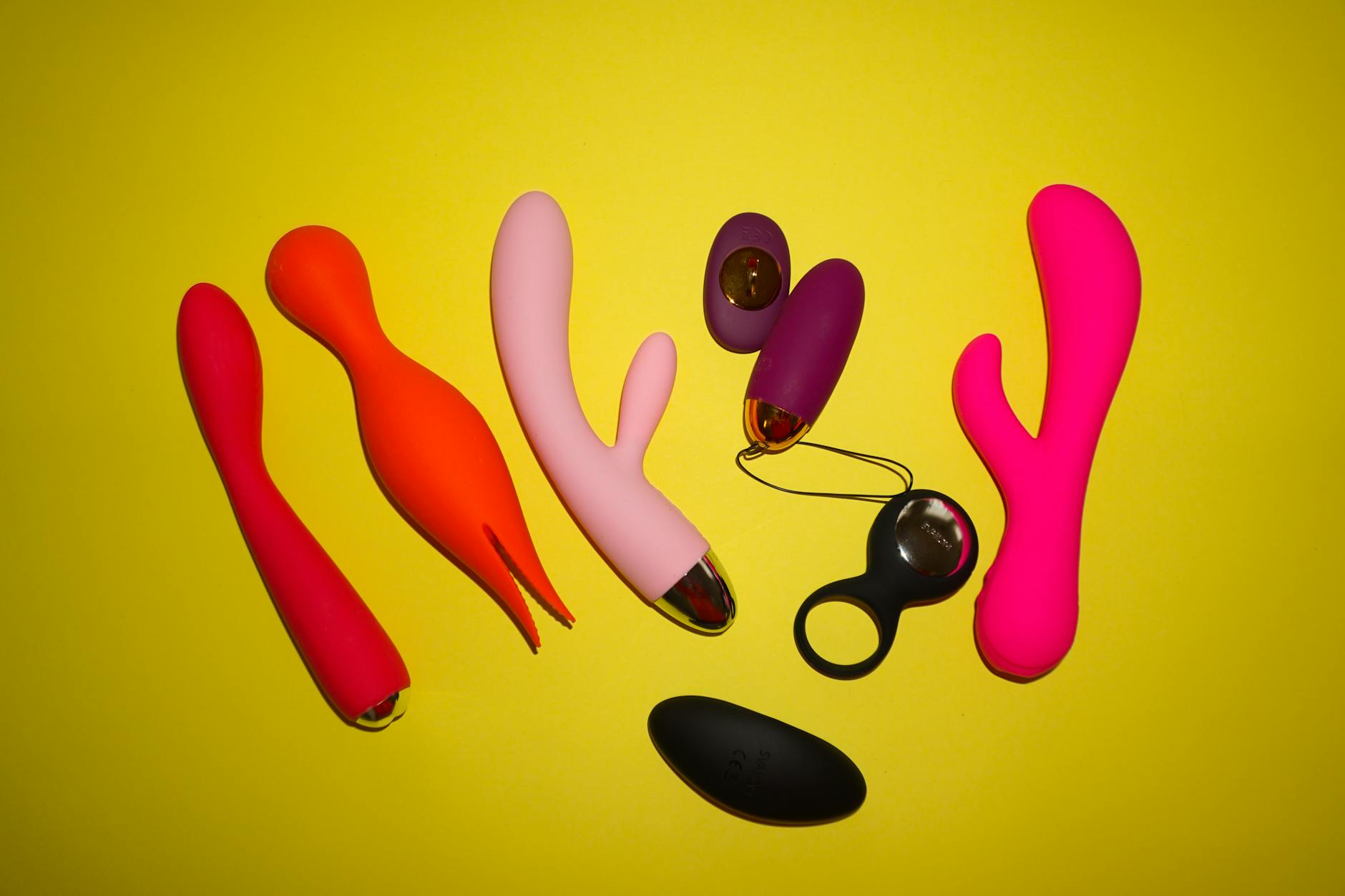
Couples who reconnect successfully don't try to force things back to how they were. They build something new, starting small. This is where a lemon clitoral vibrator becomes genuinely useful as a tool, not a gimmick. Here's why: a shared sexual experience with a toy creates a controlled, low-pressure environment to rebuild communication and presence.
You're not navigating performance expectations or old patterns. You're creating a new ritual from scratch. That sounds clinical. What it actually feels like is permission to be beginners again together.
The communication anchor
Before I recommend any lemon vibrator or sexual tool, I ask couples: have you had a conversation about what you both want from reconnection? Not a heavy talk. A real one.
This might sound like: "I've missed you. I'm nervous we're out of sync. I want to find our way back in, slowly." Or: "I'm not sure what my body needs right now, but I want to figure it out with you." The specificity matters less than the fact that you're naming the work ahead.
Then introduce the tool. A lemon vibrator or similar clitoral vibrator gives you something concrete to focus on instead of performance anxiety. One partner might hold it. One partner might guide the other's hand. The specific mechanics are less important than the attention and communication flowing underneath.
Most couples tell me that using a toy together after time apart feels exposing at first. That exposure is actually the reset point. You're saying: I want to know your body again. I want to rebuild this. The toy is just the vehicle.
Rebuilding sensation when the body feels foreign
After extended separation, sensation can feel muted. Your partner might feel less responsive. You might feel less present in your own body. This is normal. Stress hormones suppress arousal. Loneliness changes how you feel touch.
Lemon vibrators and clitoral vibrators work particularly well here because they create focused sensation without requiring the same kind of full-body engagement that might feel overwhelming. Start at low intensity. Some couples begin with the toy on the outside of clothes, building anticipation before anything gets physical. Others use it as part of foreplay where previously there was none.
The sensation-building is deliberate. You're not rushing to orgasm. You're saying: let's remember what this feels like. Let's go slow.
The rhythm rebuild
Physical synchronization takes about 3 to 4 weeks of consistent contact to rebuild. This doesn't mean daily sex. It means regular, intentional touch. Couples who've been apart and use toys report that they reconnect faster because there's a specific thing to do together. No guessing. No old patterns to fall back into.
Here's the pattern that works: low-pressure, frequent connection over a short period. Twenty minutes twice a week is more restorative than one marathon session. A lemon vibrator or lollipop-shaped toy can become part of that rhythm. You might use it on certain nights. You might bring it into partner sessions intentionally.
What matters is that you're building a new normal together, not trying to resurrect the old one.
When one partner needs more time than the other
This is the scenario nobody addresses: you've been apart, you're back together, and suddenly you want very different things sexually. One partner is ready to reconnect immediately. The other feels guarded or needs more time to feel safe.
A tool like a lemon clitoral vibrator can actually bridge this mismatch. The partner who needs time can guide the experience. The partner who's eager can receive. Neither is performing. Both are engaged. This flips the power dynamic in a way that rebuilds trust fast.
I often suggest the eager partner take a step back and let the other lead. Use the toy slowly. Ask permission for each escalation. "Can I try this now?" This doesn't kill desire. It rebuilds the safety underneath desire, which is what actually got damaged by distance.
The mental shift that changes everything
Between you and me, the biggest blocker to reconnection after time apart isn't the body. It's the story couples tell themselves. "We've grown apart." "The spark is gone." "We used to be so connected and now we're strangers."
These stories are seductive because they feel true. And they might be true. But they're also incomplete. The spark isn't gone. The communication got rusty. The body forgot its partner's cues. These are fixable things.
Using a toy together is a way to say: I'm not trying to recreate something dead. I'm building something new with you. And it works because you're doing it consciously, together, with something to focus on besides performance anxiety or old friction.
When to consider professional support
If you've been apart for months and you come back together and the tension doesn't ease after a few weeks of intentional reconnection, couples therapy is genuinely useful. Sometimes distance reveals larger incompatibilities. Sometimes the time apart was easier than being together, and that's information worth exploring.
But most couples I work with find that intentional, playful reconnection (with or without toys) shifts things. The body remembers. Trust rebuilds. Desire returns once safety returns.
A lemon vibrator is a tool, not a cure. But tools matter. They give you permission to restart without pretending the gap didn't exist. They let you be beginners again. And sometimes that's exactly what brings couples back into sync.
FAQ: Reconnecting after time apart
How long does it actually take to feel connected again after being apart for months?
Physically, about 3 to 4 weeks of regular, intentional contact. Emotionally, it depends on why you were apart and what you're both carrying from that time. Some couples reconnect in days. Others need months of therapy. The baseline is: consistent touch, clear communication, and patience with the awkwardness that's normal and temporary. Don't expect the first week back to feel like your best period. It won't. Week three usually marks a noticeable shift.
Is it weird to introduce a toy like a lemon vibrator when we're already trying to reconnect?
Not weird at all. It's actually strategic. A toy gives you something to focus on besides the pressure to perform, which is usually the real blocker for couples rebuilding after distance. It also creates a new ritual instead of trying to resurrect old ones. Some couples find it easier to be vulnerable around a toy than without one. That's not a failure of your connection. That's practical wisdom.
My partner wants to use a toy to reconnect, but I'm hesitant. How do I say that without making them feel rejected?
Say it exactly like that: "I want to reconnect with you. I'm nervous about bringing a toy into that. Can we talk about what would make me feel safe?" This isn't rejection. It's honesty. Your partner might suggest starting with just touch. You might agree to try a toy but need time to warm up to the idea. The communication matters more than the specific tool. Most partners respect hesitation if you're naming it clearly and showing up with genuine interest in rebuilding.
If we use a lemon clitoral vibrator together, does that mean our sex life is broken?
No. It means you're being intentional about pleasure, which is the opposite of broken. Some of the healthiest couples I work with use toys consistently. Some never do. The variable that matters is whether you're present with each other and communicating. A toy doesn't fix an absent partner. But an intentional partner using a tool to rebuild connection is just being strategic about what helps.
Can toys help if we have trust issues from the time we spent apart?
Partially. A toy can create a safe container for physical reconnection, which can rebuild some trust. But if the separation revealed deeper betrayal or infidelity, toys won't solve that. Therapy will. That said, a tool can be part of rebuilding after you've both committed to repair. It's one piece of a larger conversation.
What's the difference between using a lemon vibrator solo to reconnect versus using one as a couple?
Solo use prepares your body. Couple use rebuilds the relationship. Both matter. Solo sessions help you remember what sensation feels good and what you want to invite your partner into. Couple sessions let you be present with each other. The combination is stronger than either alone. Many couples do both.
Moving forward
Reconnection after distance isn't about intensity or passion returning overnight. It's about consistency, presence, and permission to be awkward while you rebuild. A lemon vibrator or any clitoral vibrator is just a tool that makes the awkward phase shorter and the reconnection phase more playful.
If you want help thinking through how to reconnect after time apart, reach out. That's exactly what I work on with couples. The distance was hard. Coming back doesn't have to be.
Start small. Communicate clearly. Be patient with the rhythm rebuild. Your body hasn't forgotten your partner. It just needs a little intentionality to remember.