Conflict doesn't just kill the mood. It kills arousal itself.
Here's what happens in your body when you fight. Your nervous system floods with cortisol and adrenaline. Your brain stops thinking about pleasure and starts running threat detection. Your pelvic floor tightens. Lubrication stops. The pathways between emotional closeness and physical desire snap shut. And it can stay that way for weeks, even after you've resolved the argument.
I see this in my practice constantly. A couple fights. They apologize. They think sex will bounce back. Instead, one or both partners feel numb, untouchable, or just... unavailable. The fight is over but arousal hasn't caught up with the reconciliation.
Why conflict creates a specific kind of sexual shutdown
When we argue with a partner, we're not just disagreeing about dishes or money. We're experiencing a rupture in safety. The person you're supposed to trust just made you feel unheard, disrespected, or abandoned. Your body registers that as a threat. It's an ancient survival response.
Sexual desire requires the opposite of threat. It requires parasympathetic activation. Relaxation. Trust. When those things are wounded, desire doesn't return on its own schedule. It waits for three things:
First, actual resolution (not just moving on). Second, nervous system recovery. Third, a deliberate rebuild of physical connection. Many couples skip the third part and wonder why sex feels mechanical or absent.
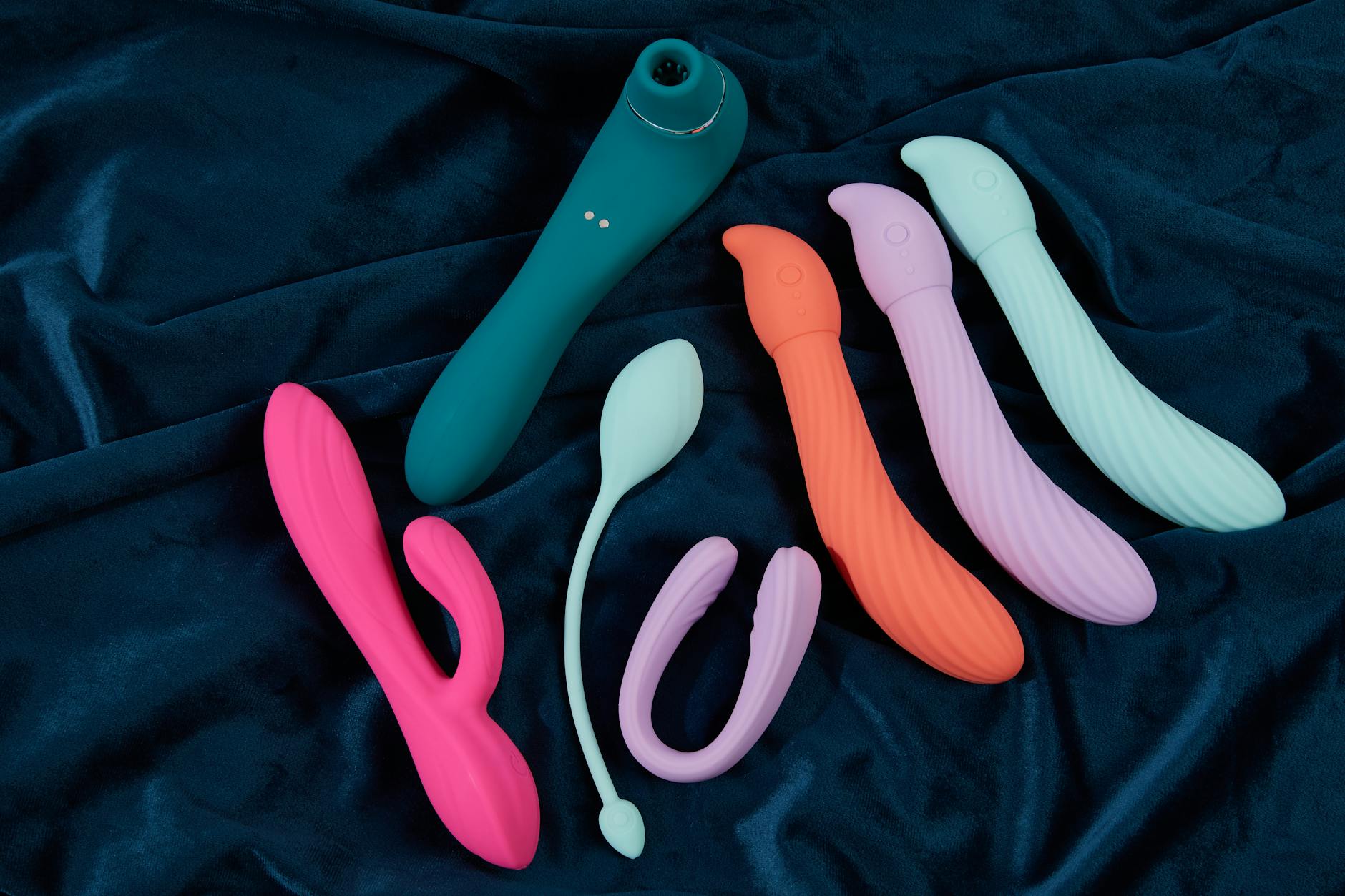
Lemon vibrators, specifically, enter the picture here because they're tools that work without requiring initial arousal. You don't need to feel turned on to use them. You can be skeptical, still tense, still a bit resentful, and a lemon clitoral vibrator can still open your body to sensation. That matters when conflict has locked everything down.
The nervous system piece most couples miss
After an argument, your body doesn't recognize a partner's touch as safe yet. Even if your brain intellectually knows the fight is over, your nervous system needs evidence. It needs to feel seen again. It needs to experience tenderness without performance pressure.
This is where solo time with a lemon vibrator becomes a bridge. It lets you reconnect with your own pleasure in a contained, pressure-free space. You're not trying to prove anything to your partner. You're not worried about their satisfaction or whether they're paying attention. You can just feel yourself again.
I recommend clients do this alone first. Fifteen to twenty minutes. Low intensity. Using a lemon sucker or lem vibrator at the lightest setting. The goal isn't orgasm. It's nervous system reset. Stroking your own vulva back into a state of responsiveness. Remembering that you're not still in danger. That pleasure exists in your body independent of the fight.
This solo work is essential before partnered sex returns. It's the missing step that lets the second phase work.
When you're ready to reconnect with a partner
Once you've done individual nervous system recovery, partnered touch can resume. But not necessarily sex yet. Many couples benefit from starting with non-sexual touch. Hand massage. Back touch. Skin to skin time without expectation.
Then, when arousal starts to crack open again, lemon sexual toys become a shared experience. Not instead of each other, but as part of the reconnection. This is different from using a toy solo.
Here's the sequence that works clinically:
One partner uses the lemon vibrator on themselves while the other watches and touches non-genital areas (arms, neck, back). This separates pleasure from pressure. The receiving partner gets to experience their own arousal building while feeling their partner's presence and attention. The giving partner gets to witness desire returning. There's trust in that vulnerability. There's proof that attraction is still there beneath the hurt.
Then, over subsequent sessions, the partner using the vibrator might invite deeper touch. A partner might offer to hold the lem vibrator. To guide it. To set the pace. This is collaborative pleasure recovery, not performance.
Lemon clitoral vibrators work especially well for this because they don't require a lot of buildup. They create sensation quickly, which means you don't have to stay in a vulnerable position for thirty minutes waiting for arousal to arrive. You can feel something within two to three minutes. That matters psychologically when you're still regaining trust.
The conversation that actually needs to happen
Using a lemon adult toy after conflict only works if you've had the harder talk first. Not the apology. The real talk. What actually happened. Why. What you each need to feel safe again.
Some couples fight about external things (finances, scheduling) but the wound is internal (feeling unseen, unheard, undervalued). You have to untangle that before pleasure returns genuinely. A vibrator can't fix a trust fracture. It can only facilitate reconnection after you've started mending.
I ask clients to discuss: What did I do that hurt you? What do you need from me to feel safe again? When could we start rebuilding physical closeness? Is there a way I can touch you that feels good right now, without it being sexual? These conversations are uncomfortable. They're also non-negotiable if you want intimacy to return.
Then, from that foundation, a lemon clitoral vibrator becomes a tool for reconnection instead of a band-aid on an open wound.
How to restart physical intimacy without skipping steps
Weeks after the conflict, when you're both ready, the restart sequence looks like this:
Week one: Solo exploration with your lemon vibrator. No performance goal. Just sensation. Ten to fifteen minutes. Same time, same place if possible. Your nervous system loves routine.
Week two: Partner present but not engaged sexually. You use your vibrator while your partner is nearby, reading or present. Not touching. Not watching intensely. Just proximity and safety.
Week three: Non-genital touch resumes. Massage. Kissing. Your partner touches your thighs, breasts, or neck while you use your lem vibrator. The goal is to start associating their touch with pleasure again, not with conflict.
Week four and beyond: Partnered pleasure. Your partner might operate the vibrator. You might use it on them. The tool shifts from solo bridge to shared experience.
This isn't a rigid timeline. Some couples need longer. Some move faster. The point is rhythm and intention. You're not just resuming sex. You're rebuilding it from the ground up.
When desire takes longer to return
Sometimes conflict hits deeper. A betrayal. Repeated arguments. A period where you genuinely questioned the relationship. Desire can take months to return, not weeks.
In those cases, I don't recommend jumping straight to lemon sexual toys. First: couples therapy or a structured conversation with a counselor. Get the story straight. Get real safety back. Then, from that foundation, explore tools like the Lem vibrator as part of reconnection.
Some people also find that their desire returns differently after conflict. Maybe you want less frequent sex. Maybe you want more novelty. Maybe you want a different kind of touch. Conflict doesn't just wound intimacy. It sometimes reorganizes it. Let it. The desire that comes back is often more authentic than what was there before.
The role of vulnerability in restoring arousal
Here's the part that surprises most couples: the act of using a vibrator together after conflict is not about the vibrator. It's about the vulnerability.
You're saying: I was hurt, we fought, I'm still choosing to open my body to pleasure with you nearby. I'm choosing to be sexual again. I'm choosing to trust your presence. That's enormous. Your nervous system needs to feel that choice being honored.
Lemon clitoral vibrators, in their specificity and design, actually support this. They're discreet. They're easy to control. They create sensation in a way that feels less invasive than fingers or a penis after conflict has made you protective of your body. That matters. You can feel pleasure and safety simultaneously.
The goal isn't a mind-blowing orgasm. The goal is a return to "I feel okay in my body with you present." Once you rebuild that, everything else follows.
FAQ: Rebuilding desire after conflict
How long after a fight should we wait before trying sex again?
At least one to two weeks, ideally. Your nervous system needs time to shift from threat mode back to safety. If you try too soon, sex will feel obligatory or uncomfortable. If you wait longer while actively reconnecting through conversation and non-sexual touch, arousal returns more genuinely. The timeline depends on the severity of the conflict and your individual nervous systems.
Can a lemon vibrator help if we fought about intimacy specifically?
Yes, but with care. If the fight was about frequency, desire mismatch, or specific sexual preferences, a lemon clitoral vibrator can help you separate the disagreement from pleasure itself. Using one solo first (before partnered use) helps you reconnect with your own desire independent of the argument. Then, partnered exploration becomes a conversation about reconnecting, not about who wanted what in the fight.
What if one partner isn't ready to use toys after conflict?
Respect that. Forcing the tool won't help. Instead, focus on the non-sexual touch phase longer. Hand massage. Kissing. Building safety and sensation without a toy. Once that foundation is solid, the offer to use a lem vibrator together can come up naturally. Some people need weeks of rebuilding before toys feel comfortable again.
Should we talk about what happened during sex after a big fight?
Not during. Save the debrief for after, when you're both clothed and grounded. During sex after conflict, the goal is sensation and safety, not analysis. Talk afterward about what felt good, what you need, whether you want to do it again. Keep sex from becoming another place where conflict gets processed.
Does using a lemon sexual toy mean we're still broken?
No. It means you're being intentional about reconnection. Most couples who skip the intentional rebuild phase end up having mechanical, disconnected sex for months. Couples who use tools (including vibrators), have conversations, and move slowly often rebuild faster and with more honesty. The tool isn't a band-aid. It's part of the actual work.
How do we know when we're ready to move past the conflict phase?
When you can be sexual again without resentment hanging over it. When you want your partner's touch for reasons beyond proving the relationship is fine. When pleasure feels possible instead of obligatory. That's usually two to three months after a significant conflict, assuming you've had real conversations and rebuilt trust. If it's longer, couples therapy is worth considering.
The longer arc of desire after conflict
Conflict wounds desire. That's biological fact, not relationship failure. What matters is what you do next. Solo reconnection with a lemon vibrator. Honest conversation about what the fight revealed. Non-sexual touch that rebuilds safety. Then, gradually, partnered pleasure that honors the journey you've taken.
Desire doesn't snap back to where it was before the conflict. It rebuilds differently, often more intentionally. That's not loss. That's evolution.
If you're in the early stages of rebuilding after conflict and need support beyond this, reach out to a couples counselor or contact Hello Nancy with questions about how to approach this phase physically.