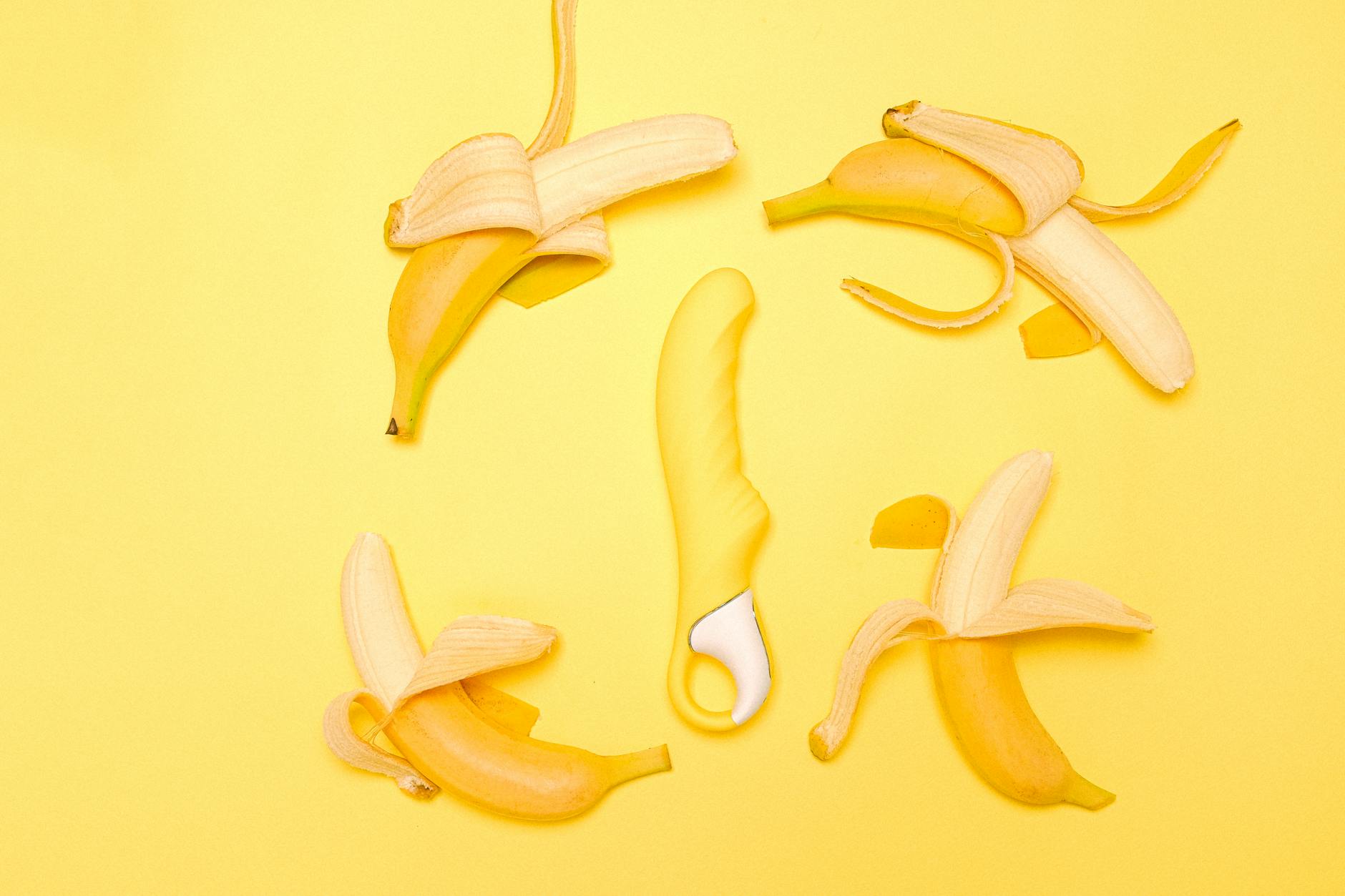
Let's talk about the thing nobody mentions
You're not broken. But lubrication issues can make partnered sex feel like friction without pleasure, or solo exploration feel pointless because your body isn't responding the way it used to. The instinct is usually to add lube and push through. That works sometimes. But there's a physiological reason why lemon clitoral vibrators—specifically suction-based ones—actually help your body produce more natural lubrication than friction alone ever will.
Here's what I've learned in years of working with couples navigating this: dryness often signals that arousal itself hasn't fully built. And you can't friction your way into arousal. You have to stimulate it.
Why friction without arousal backfires
Your vulva isn't a machine that works the same way every day. It's a responsive system that's supposed to flood with blood and fluid when arousal builds. But that response depends on several things happening in the right order: attention to sensation, a brain that's actually focused on pleasure (not logistics), and enough time for the autonomic nervous system to shift into parasympathetic mode.
When dryness happens, the common fix is to add lubricant and keep going with whatever stimulation you've been using. But if arousal hasn't actually triggered yet, you're just adding slip to friction. That might feel temporarily better, but it doesn't solve the root problem: your nervous system hasn't switched into a state where your body produces its own lubrication.
This is where the mechanics matter. Traditional vibrators—the ones that buzz against tissue—create friction. They feel good, sure. But suction-based lemon vibrators work differently. They don't rub. They create a gentle pulling sensation that stimulates the clitoris and surrounding tissue without the same mechanical friction. For people with natural lubrication issues, that distinction is massive.
How suction changes the arousal equation
Here's the neurological reality: the clitoris has about 8,000 nerve endings, and they respond to different kinds of stimulation. Direct, intense friction can feel good, but it can also create numbness or even pain if you're already dealing with dryness or sensitivity. Suction stimulates a wider area of nerve tissue with gentler, more distributed pressure.
When you use a lemon sucker—a suction-based vibrator—against the clitoris and vulva, you're creating a pulling sensation that increases blood flow to the area. That increased blood flow is what triggers natural lubrication. It's not forcing it. It's inviting it.
My clients who've switched from traditional vibrators to suction models report something consistent: their body starts producing lubrication earlier in the process, with less stimulation needed to get there. That's not placebo. That's the nervous system responding to a gentler, more distributed kind of touch.
Several of them have told me that they stopped needing added lubricant altogether once they switched to a lemon clitoral vibrator. That's a profound shift, because it means their body remembered how to respond.
The arousal-lubrication feedback loop
Here's how this actually works in your body. Arousal triggers the release of fluids from the Bartholin's glands and increased blood flow, which creates the slick feeling. But that process takes time and requires actual stimulation that your nervous system recognizes as pleasurable.
If you start with friction, and your body hasn't yet flooded with sensation, you get dryness plus friction equals discomfort. That discomfort tells your nervous system "this is not safe," and paradoxically, arousal stalls further.
But if you start with suction—which feels fundamentally different because the pressure is pulling inward rather than rubbing across—your nervous system gets a different signal. The sensation is more localized, less intense in the early stages, and it builds more gradually. This gives your body time to recognize pleasure and respond with lubrication.
I often recommend that people with dryness or arousal delays start with lower settings on a lemon vibrator. Pattern 1 or 2, not jumping straight to maximum. Let your body build into it. The suction itself, even at low intensity, is doing something that friction at high intensity often can't: it's inviting your nervous system to engage with pleasure, not just sensation.
What this means for partnered sex
One of the hardest conversations I have with couples is about the fact that dryness often signals a mismatch in arousal timing, not a body problem. One partner is ready. The other needs more time. And because we're not taught to talk about arousal explicitly, people reach for lube and hope the friction works itself out.
When you introduce a lemon clitoral vibrator into partnered play, you're essentially saying: let's build arousal together, without assuming everyone's on the same timeline. Your partner can use the vibrator on you while you're also touching them, or while you're connecting in other ways. The suction is doing the work of building arousal—which is what actually creates lubrication—while you're also building emotional connection.
This shifts the dynamic from "we have a problem to solve" to "we're exploring something together that creates more pleasure." And honestly, that mindset change alone often improves arousal response.
Lubrication, hormones, and when to add support
That said, some dryness is legitimately hormonal. Menopause, certain medications, breastfeeding, and hormonal birth control can all reduce natural lubrication production. A lemon vibrator can help, but it's not a replacement for addressing the underlying cause.
If you've noticed a significant shift in lubrication and it correlates with a life change or new medication, talk to your doctor. You might benefit from topical estrogen treatments or other support that works alongside pleasure tools, not instead of them.
For people who are dealing with hormonal dryness, what I've observed is that a suction-based vibrator like the Lem still outperforms traditional vibrators because it's gentler on already-sensitive tissue while still triggering the arousal response your body still has. The hormonal changes affect fluid production, but they don't eliminate arousal capacity. A tool that respects that distinction is genuinely helpful.
The water-based lubricant reality
If you're adding lubricant (and sometimes you should, especially if you're dealing with hormonal changes), water-based is your friend when using silicone lemon vibrators. Silicone-based lubes can damage silicone toys over time. Water-based lubes work beautifully with any toy, and they wash off easily.
Here's the key: water-based lube plus a lemon clitoral vibrator is a different experience than water-based lube plus friction. The suction still creates that pulling sensation that encourages natural arousal response. The added lubrication just means that if your body isn't producing enough on its own, you're not creating discomfort while you're waiting for arousal to build.
This is especially useful in the early stages of getting to know your own body again after hormonal changes, after a break from partnered sex, or after trauma or surgery. You're not sacrificing sensation. You're honoring both what your body can do and what it needs right now.
FAQ: Common questions about lubrication and lemon vibrators
Can a lemon vibrator actually help my body produce more lubrication naturally?
Yes, but with an important caveat. Suction-based vibrators like lemon clitoral vibrators stimulate blood flow and arousal response more effectively than friction alone, which can trigger your body's natural lubrication response. But if your dryness is caused by hormonal changes, medications, or health conditions, a vibrator isn't a cure. It's a tool that works better with your body's actual capacity. If dryness is sudden or severe, check with your doctor first.
Is it normal for lubrication to change with age or stress?
Completely normal. Stress shuts down the parasympathetic nervous system, which is what allows arousal to build. Aging changes hormone levels, which affects fluid production. Neither means you're broken. Both mean you might need to approach arousal differently. A lemon vibrator, which doesn't rely on the same kind of friction-based stimulation, often works better during these transitions because it builds arousal more gently and effectively.
Should I use water-based lube with a lemon vibrator?
You can, especially if your body isn't producing enough lubrication naturally. Water-based lubes work great with silicone toys and wash off easily. But start without it and see if your body responds with its own lubrication. You might be surprised. The suction itself often triggers that response. Add lube only if you need it.
What if I'm using hormonal birth control and have dryness?
That's more common than you think. Hormonal birth control suppresses some of the hormones that increase arousal and lubrication. Talk to your doctor about it. In the meantime, a suction-based lemon vibrator is genuinely more helpful than a traditional vibrator because it doesn't rely on friction to feel good. It creates pleasure through a completely different mechanism.
Can dryness be a sign that something is wrong with my relationship?
Sometimes. Emotional disconnection, resentment, or unresolved conflict absolutely affects arousal. But dryness is often just a physical response to a hormonal shift, medication, stress, or simply not enough time spent building arousal before penetration. A lemon clitoral vibrator can help you separate the physical question ("Does my body respond to stimulation?") from the emotional question ("Do I want this person?"). That clarity is actually valuable in relationships.
Is it weird to use a vibrator if I'm in a relationship?
Not even a little. Partnered sex and solo exploration aren't competing. They're complementary. Using a lemon vibrator with a partner—or learning how your body responds solo, then bringing that knowledge into partnered sex—makes you better informed about your own pleasure. That information makes partnered sex better for everyone involved.
The real bottom line
Lubrication issues feel like a small thing until they're in your way. But they're often less about your body being broken and more about the kind of stimulation actually triggering arousal. Lemon vibrators—specifically suction-based ones—work differently than traditional vibrators because they don't rely on friction. They invite arousal through a gentler, more distributed kind of sensation.
If you're struggling with natural lubrication, start by giving your body time to respond. Use a lower setting. Let arousal build. Then add lubrication only if you need it. And if dryness is sudden or severe, or if it's tied to a medication or hormonal change, get medical support. A vibrator is a pleasure tool, not a medical treatment.
Your body knows how to respond. It just might need a different kind of invitation. That's what a lemon clitoral vibrator offers. Not friction. Not force. Just a better way to ask your nervous system to engage with pleasure again.
Ready to explore what actually works for your body? Reach out to our team if you have questions about which Hello Nancy product might feel right for you.