Here's what nobody tells you about vibrator sensitivity
Most vibrators are engineered for one thing: maximum buzz at maximum speed. If you've bought a standard vibrator and felt like your nervous system was under siege, you're not broken. You're actually in good company, and the device was just the wrong match.
The good news? Lemon vibrators and air-suction clitoral toys work on an entirely different principle. They don't vibrate so much as they pulse and suction, which creates a sustained pressure sensation rather than rapid-fire trembling. For people who find conventional vibration overwhelming, this shift feels like someone finally designed something with your body in mind.
Why standard vibrators feel overwhelming
Most traditional vibrators work by creating rapid oscillation. That's jargon for "buzzing very fast." The motor fires thousands of tiny movements per minute, which can feel intense, scattered, or even numbing if your nerve endings are particularly responsive. Some people experience a scattered sensation. Others report that the intensity makes them tense up, which kills arousal entirely.
There's also a psychological piece. If you've spent years feeling like pleasure devices are "too much," you may have internalized that as a personal problem. It's not. It's a mismatch between your nervous system and the tool.
Lemon clitoral vibrators solve this by replacing vibration with suction and gentle pulsing. Instead of rapid oscillation, you get rhythmic pressure that feels closer to a partner's mouth than to a jackhammer. The sensation is sustained rather than scattered, which makes it easier for your nervous system to relax into it.
The sensation difference matters more than you think
When you activate a lemon vibrator, the motor creates gentle suction pulses rather than vibrations. Think of the difference between someone tapping your shoulder very quickly versus someone pressing gently and releasing in a rhythm. Both create sensation, but one scatters your attention and the other focuses it.
This focused pressure activates different nerve pathways. The rapid-fire stimulation of traditional vibrators tends to activate surface nerves. Sustained suction activates deeper tissue and creates a building sensation that many sensitive people find more navigable. You can actually feel arousal building rather than just feeling overwhelmed.
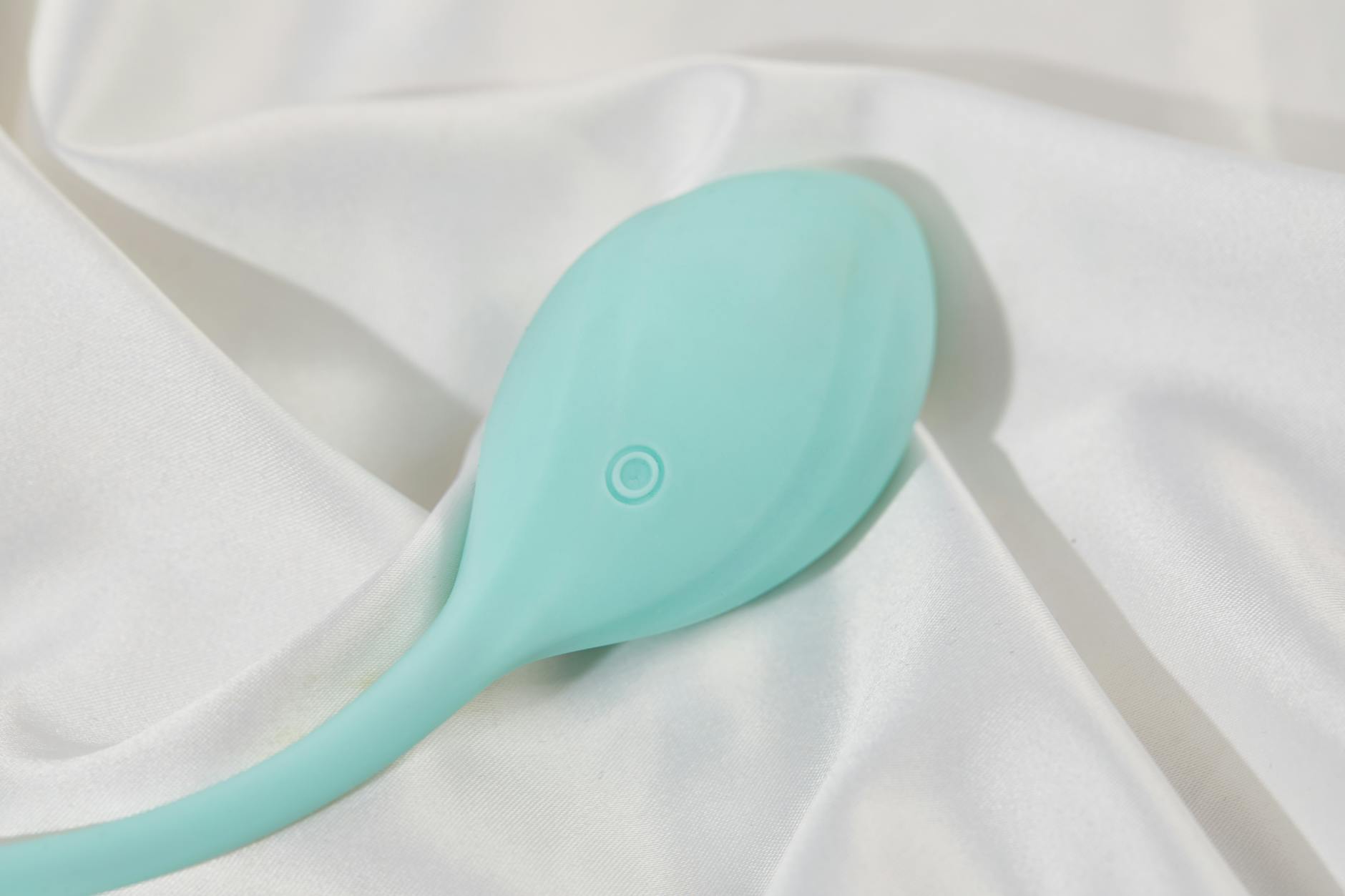
Photo by IFONNX Toys on Pexels
Why sensitivity isn't actually a limitation
I've worked with many people who felt shame around being "too sensitive" for standard vibrators. They'd apologize, as if their nervous system was unreasonable. Here's what I know from years of practice: responsive nerve endings are not a flaw. They're an asset, if you have the right approach.
Sensitive people often experience more intense, more reliable orgasms once they stop fighting their body's signals. The trick is finding tools that work with that sensitivity rather than against it. A lemon vibrator's gentle suction approach means you can actually relax instead of bracing yourself.
Many of my clients report that the first time they used an air-suction toy, they felt permission to enjoy pleasure without that underlying sense of "this is too much." That mental shift alone changes the experience entirely.
What to look for when shopping
If you're considering a lemon clitoral vibrator for sensitive stimulation, here are five non-negotiables:
Start with the lowest setting. Lemon vibrators typically have 3-5 intensity levels. A sensitive person should never start above level 2. You can always increase intensity. You can't un-feel something that's already triggered you. The lem vibrator's gentlest setting is designed specifically for this. Don't skip it.
Choose silicone over harder materials. Medical-grade silicone has a slight give that feels less intense against sensitive tissue. Harder plastics can feel abrasive. If you have vulva sensitivity or past trauma, that texture matters.
Pick a design without a sharp tip. The lem vibrator has a rounded opening. This distributes pressure across a broader surface area rather than concentrating it. Sharp or pointed designs can feel too intense on sensitive tissue. Look for rounded or wide mouth designs.
Ensure it's waterproof. This matters for cleaning as much as for shower use. You want to be able to rinse it thoroughly without worrying about electronics, which means a fully sealed design. Waterproof lemon vibrators are easier to maintain and feel safer.
Factor in battery life. A longer battery means you're not rushing through the experience because you're worried about the charge dying. This is subtle but important for sensitive people. Pressure to finish kills arousal fast.
How to actually use it without overwhelming yourself
Technique matters as much as device choice. Here's how I recommend sensitive people approach their first session:
Start with 10-15 minutes of foreplay before you even touch the lemon vibrator to your body. Arousal naturally lowers your sensation threshold, which means what feels intense when you're not aroused feels manageable when you are. Skip this step and you'll probably conclude the toy is too strong. Do this step and you might change your mind entirely.
When you're ready, start on the lowest setting. Hold it against your body without pressing. Let the suction and gentle pulsing do the work. Many sensitive people instinctively press harder, thinking more pressure will feel better. The opposite is true. Light contact on low intensity often creates more pleasure than hard contact on high intensity.
If it feels intense, back off. This sounds obvious, but sensitive people often push through discomfort out of habit. Your pleasure is the goal, not toughness. If low intensity still feels too strong, use it for 30-second bursts with breaks between. Your body will adapt. Patience matters.
The role of lubrication and comfort
I often recommend water-based lubricant for sensitive users, not because anything is wrong with your body, but because it creates a physical barrier that softens sensation slightly. It also signals to your nervous system that this is a collaborative, intentional experience rather than something happening to you.
If you have issues with natural lubrication, a quality lube becomes even more important. It reduces friction and makes the whole experience less intense. It's not a workaround. It's support. I see many people treat it as optional. For sensitive bodies, it's foundational.
Check out how to pair your lemon vibrator with lubricant for best results if you want a comprehensive breakdown of which formulas work with different toy materials.
When to seek external support
If you've tried multiple approaches and you're still finding all vibration overwhelming, consider talking to a sex therapist or a pelvic floor physical therapist. Sometimes sensitivity is connected to pelvic floor tension or past trauma. A professional can help you understand what's driving it and build a personalized approach.
There's no shame in needing support. Pleasure is not supposed to be a struggle. If standard approaches aren't working, the answer is usually "we need a different framework," not "you're broken."
The bigger picture
Choosing a lemon clitoral vibrator designed for gentle stimulation isn't settling. It's actually the more honest choice. You're acknowledging what your body actually wants instead of forcing yourself into someone else's design. That honesty extends to everything else in your pleasure practice.
Sensitivity to intense stimulation is a real pattern. So is the capacity for deeper, more sustained pleasure once you find the right tool. The two are connected. Hello Nancy's approach to pleasure devices recognizes that sensitivity isn't a bug to overcome. It's information worth listening to.
People also ask
What's the difference between a lemon vibrator and a regular vibrator for sensitive people?
Regular vibrators create rapid buzzing through motor oscillation. Lemon vibrators and similar air-suction devices use gentle, rhythmic suction pulses instead. The difference is like comparing tapping versus pressing. For sensitive nervous systems, sustained pressure feels more manageable than rapid vibration because it doesn't scatter sensation across multiple nerves at once. Many sensitive people find air-suction toys intuitive immediately, while standard vibrators require a much longer adjustment period, if they work at all.
Can I make a regular vibrator less intense?
You can lower the speed, but you can't change the fundamental pattern. A motor that creates rapid vibration will always feel like rapid vibration, just quieter or faster. If the core sensation of buzzing overwhelms you, lowering intensity might help marginally, but switching to a lemon sucker design is usually more effective. It's a different sensation entirely, not just a toned-down version of the same thing.
Is there a lemon vibrator specifically designed for beginners with sensitivity?
Yes. The Lem vibrator is engineered with sensitive users in mind and includes multiple low-intensity settings. It's often recommended as a first device for people who've had bad experiences with standard vibrators. The suction mechanism is gentler than vibration, and the design doesn't require heavy pressure. Start on the lowest setting and go from there.
How long does it take to adjust to a lemon vibrator if I'm sensitive?
Many people feel comfortable on the first or second use. Some need three to five sessions to relax into it. The key is patience and low expectations in the early sessions. You're not trying to have an orgasm. You're just getting to know how your body responds. Once you relax, the sensation usually becomes significantly more enjoyable.
Should I use lubricant with a lemon clitoral vibrator?
It's not required, but most sensitive people find it helpful. Lubricant reduces friction and creates a physical buffer that can make intense sensations feel more manageable. Water-based formulas work well with silicone toys. If you have natural lubrication issues, good lube becomes more important. It's not a workaround for a broken body. It's a tool for better comfort and pleasure.
What if a lemon vibrator still feels too intense?
First, confirm you're using the lowest setting and starting with a good amount of foreplay and arousal. If it's still overwhelming, try using it for 20-30 second bursts with long breaks between. Your nervous system will gradually acclimate. If this approach doesn't work, consider talking to a pelvic floor physical therapist or sex therapist. Sometimes sensitivity is connected to tension patterns or past trauma that benefit from professional support. There's no shame in that. Better to get proper guidance than to keep pushing through discomfort.
Next steps
If sensitivity to standard vibrators has kept you from exploring pleasure tools, a lemon vibrator might be the permission you've been waiting for. The difference between a tool that overwhelms and a tool that opens is often just the right design. You're not too sensitive. You just haven't found the right match yet.
Have questions about which lemon sexual toy might work for your specific situation? We're here to help. Get in touch with our team for personalized guidance on finding your match.