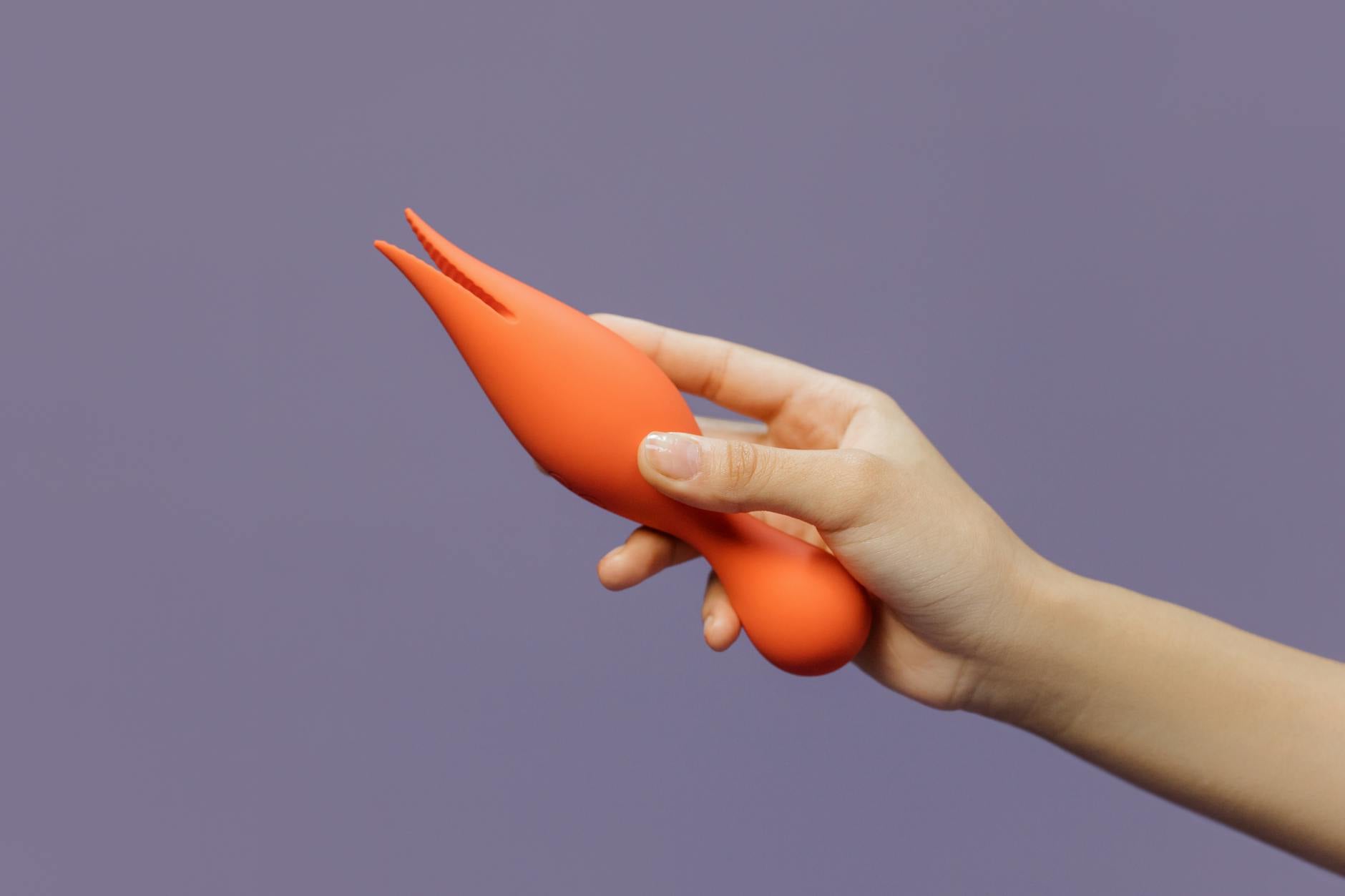
Here's the thing about vibrators that nobody says out loud
Not all stimulation feels the same on a clitoris, and just because something is a vibrator doesn't mean it's going to work for your body. The difference between a lemon vibrator and a traditional vibrator isn't cosmetic. It's neurological. Your clitoris has 8,000 nerve endings packed into a space the size of a pea, and they don't all respond to the same type of touch.
Most people assume they need to try five devices before finding the right one. They don't. They need to understand the difference first.
Vibration versus suction. The core distinction.
Traditional vibrators work by moving back and forth really fast. The motor pulses, the toy vibrates, and the stimulation is consistent, direct contact. It's mechanical and rhythmic.
Lemon vibrators use air-pulse suction technology. Instead of vibrating, they create gentle waves of suction and release around the clitoris. Think of it like a mouth creating a subtle pulling sensation rather than a buzzing one. No direct friction. No raw mechanical pressure.
Here's why this matters: your clitoris has two types of nerve fibers. Some respond better to vibration. Others respond better to pressure and suction. A traditional vibrator predominantly activates the vibration-responsive nerves. A lemon vibrator activates the pressure-responsive nerves instead.
Translation: the same person can find one completely underwhelming and the other absolutely transformative.
Who gravitates toward traditional vibrators
Traditional clitoral vibrators work beautifully for people whose nervous systems love high-frequency stimulation. This includes:
People who like speed and intensity right away. Traditional vibrators typically offer multiple speed settings, and you can jump to a high setting instantly. No warm-up required.
People with less sensitive tissue. If your clitoris is naturally less reactive to subtle touch, the directness of vibration cuts through and creates clear sensation.
People who enjoy consistent rhythm. Vibration is predictable. The same pattern, the same frequency, every single time. For people who find that reassuring, traditional vibrators are ideal.
People who have used vibrators before. Familiarity matters. If your body already knows how to respond to vibration, you don't need to retrain your nervous system.
One more thing: traditional vibrators are usually more affordable. A solid one runs $35 to $60. That price point works for a lot of people.
Who gravitates toward lemon vibrators
Lemon vibrators and other air-pulse toys excel for a different set of needs:
People with sensitive tissue. If your clitoris gets overstimulated or numb easily with vibration, suction changes everything. The gentleness of the sensation means you can use it longer without that deadened feeling.
People over 40, or post-menopausal. Tissue becomes thinner and more delicate with age and hormonal shifts. Traditional vibrators can feel too intense or even uncomfortable. A lemon vibrator delivers intense sensation without the abrasive feeling. As I've seen with hundreds of clients, this age group often finds their strongest orgasms with air-pulse technology.
People with pelvic floor tension. Tight pelvic floor muscles can make vibration feel almost painful. The suction sensation of a lemon vibrator engages the pelvic floor differently, often releasing tension instead of creating it.
People recovering from surgery or trauma. After childbirth, gynecological surgery, or if you're working through a history of pain during sex, vibration can feel triggering. Suction is less associated with penetration or pressure, which matters psychologically and physically.
People who have never found anything that worked. If you've tried two or three traditional vibrators and felt nothing, your body might simply respond better to suction than to vibration. This isn't a reflection on you. It's neurology.
The sensation difference, explained plainly
Imagine two ways to wake someone up. One person is shaking your shoulder back and forth. Another is gently squeezing and releasing. Both are stimulation. Both can work. But they feel completely different and they work on different parts of your nervous system.
Vibration is the shoulder shake. It's obvious, immediate, and some people love it. But if you're already on edge or overstimulated, it can push you over into numbness instead of pleasure.
Suction is the squeeze and release. It builds gradually. The sensation is pulling rather than buzzing. For many people, this ramp-up allows for more nuance and control. You can sit with the sensation longer without the nervous system hitting a plateau.
Here's a common experience I hear: "I can feel a vibrator working for about five minutes, then my body just goes numb." That's sensory adaptation. Your nervous system stops registering the input because it's constant and unchanging. Suction-based toys like the Lem create a slightly different pattern that tends to keep your nervous system engaged longer.
What about combination options
Some people thrive with both. You might use a traditional vibrator for quickness and intensity, and keep a lemon vibrator for longer sessions or when you want a gentler approach. There's no rule that says you need to choose one.
The trick is understanding your own body well enough to predict which device serves which mood. Are you looking for a ten-minute release before bed? Vibration might be faster. Do you want to spend 30 minutes in exploration? Suction often feels better over that timeframe.
The cost-benefit tradeoff
Traditional vibrators are cheaper and more available. You can walk into almost any pharmacy and find options. If you're on a budget or testing the waters, that matters.
Lemon vibrators cost more upfront. A quality air-pulse toy runs $65 to $100. But here's what I've observed: when a lemon vibrator works for someone, they use it more consistently and get more out of it. The price gets recouped in actual pleasure over time.
Consider: a $40 vibrator you use twice because it numbs you out is a worse investment than a $85 lemon vibrator you use twice a week for five years.
How to actually decide
Ask yourself these questions:
Do you have sensitive clitoral tissue or a history of oversensitivity? Lemon vibrators usually win.
Do you want instant gratification and multiple speed options? Traditional vibrators.
Are you post-menopausal or dealing with tissue thinning? Lemon vibrators nearly always feel better.
Have you used vibrators before and they worked fine? No reason to switch. Stick with what you know.
Are you starting from zero with no device experience? You could try either, but I'd lean toward starting with a lemon clitoral vibrator if you have any sensitivity concerns. It's gentler and less likely to leave you feeling overstimulated.
If you're rebuilding arousal after stress or anxiety, or working through a period where pleasure feels hard to access, suction-based toys often unlock sensation faster than vibration because they feel less clinical and more organic.
The real talk on brand and design
Beyond the core technology, the material matters. Silicone is the gold standard. It's non-porous, easy to clean, and gentle on tissue. Whether you choose a traditional vibrator or a lemon vibrator, make sure it's medical-grade silicone.
Waterproof is not a luxury. You'll use it more if you can bring it into the shower. Both device types should offer this as standard.
Battery life: traditional vibrators often have longer battery life because the motor is simpler. Air-pulse toys like the Lem typically last 60 to 90 minutes per charge, which is plenty for most people.
One more thing
Your body might change its preferences over time. You might love vibration at 25 and discover suction works better at 45. You might need vibration during stress and suction during calm periods. This isn't flakiness on your part. It's your nervous system responding to what it actually needs.
The point of knowing the difference between lemon vibrators and traditional vibrators isn't to chase some perfect device. It's to stop guessing and start being intentional about your own pleasure.
FAQ: Lemon vibrators vs. traditional vibrators
Can you use lube with a lemon vibrator the same way you would with a traditional vibrator?
Yes, but the type of lube matters more. Water-based lubricant works perfectly with both. The lubrication sits on top of the silicone and doesn't interfere with the air-pulse technology. Silicone-based lube can damage silicone toys, so stick with water-based. The lube actually enhances the sensation of a lemon vibrator because it helps the seal that creates the suction effect.
Are lemon vibrators quieter than traditional vibrators?
Typically, yes. Air-pulse technology makes a softer, gentler sound than a motor vibrating at high frequency. If noise is a concern, a lemon vibrator is usually the quieter option. That said, quality matters. A well-made lemon vibrator is nearly silent, while a cheap traditional vibrator can sound like a tiny chainsaw.
If I have numbness issues with vibration, will a lemon vibrator definitely work for me?
Not 100 percent guaranteed, but statistically, yes. The majority of people who experience sensory numbing with vibration find that suction works better. Your nervous system might need a warm-up period to adjust to a different type of stimulation, so give it three or four sessions before deciding it's not for you. Sometimes it takes a couple of uses for your body to relax into the sensation.
Can traditional vibrators reach orgasm faster than lemon vibrators?
For some people, yes. The intensity and speed of traditional vibrators can take you there quickly. But for others, especially people with sensitive tissue, a lemon vibrator actually creates faster orgasms because there's no sensory numbing getting in the way. Speed isn't the same as effectiveness. A slow-building orgasm that actually happens is better than a quick one interrupted by numbness.
Is there a device that combines vibration and suction?
Not really in the mainstream market right now. Most toys choose one technology. Some traditional vibrators have a pulsing mode that mimics suction, but it's vibration underneath. True air-pulse technology is its own distinct motor type. If you want both sensations, you'd need to own both devices.
If I'm on a tight budget, which one should I buy first?
Start with a traditional vibrator. They're more affordable, and if vibration works for you, you've solved the puzzle for $40 to $60. If traditional vibrators leave you numb or overstimulated, then invest in a lemon vibrator. You'll have real data about your body's preference instead of guessing.
Choosing between a lemon vibrator and a traditional vibrator is less about what's objectively "better" and more about what your specific nervous system responds to. The best device is the one you'll actually use, the one that feels good in your body, and the one that delivers consistent pleasure without numbness or overstimulation. Give yourself permission to experiment, and remember: knowing what works for you is half the battle.