Let's name what's actually happening
Anxiety doesn't just make you feel worried. It hijacks your nervous system. When you're anxious, your body lives in fight-or-flight mode, which means blood flows away from your genitals and toward your limbs. Your breath gets shallow. Your pelvic floor tightens. Arousal becomes physically impossible because your nervous system is too busy scanning for threats to process pleasure.
This is why traditional vibrators sometimes make anxiety worse. They demand intensity and speed when what you actually need is permission to slow down. Lemon vibrators, which use suction rather than buzzing friction, work differently. They're gentler on your nervous system and can actually help you move from anxiety back into arousal.
If this sounds like you, you're not broken. Your body is doing exactly what it's supposed to do.
How suction rewires arousal when you're anxious
Here's the neuroscience part, kept simple. When you experience suction stimulation, your body registers it as a safe, localized sensation. Unlike the jarring intensity of a traditional vibrator, suction creates a rhythm that your nervous system can predict and trust. This predictability is everything for someone living with anxiety.
As your body relaxes into the suction, your vagus nerve begins to activate in a way that shifts you out of fight-or-flight and into rest-and-digest mode. That's not flowery language. That's your parasympathetic nervous system waking up. Once that happens, arousal becomes possible again.
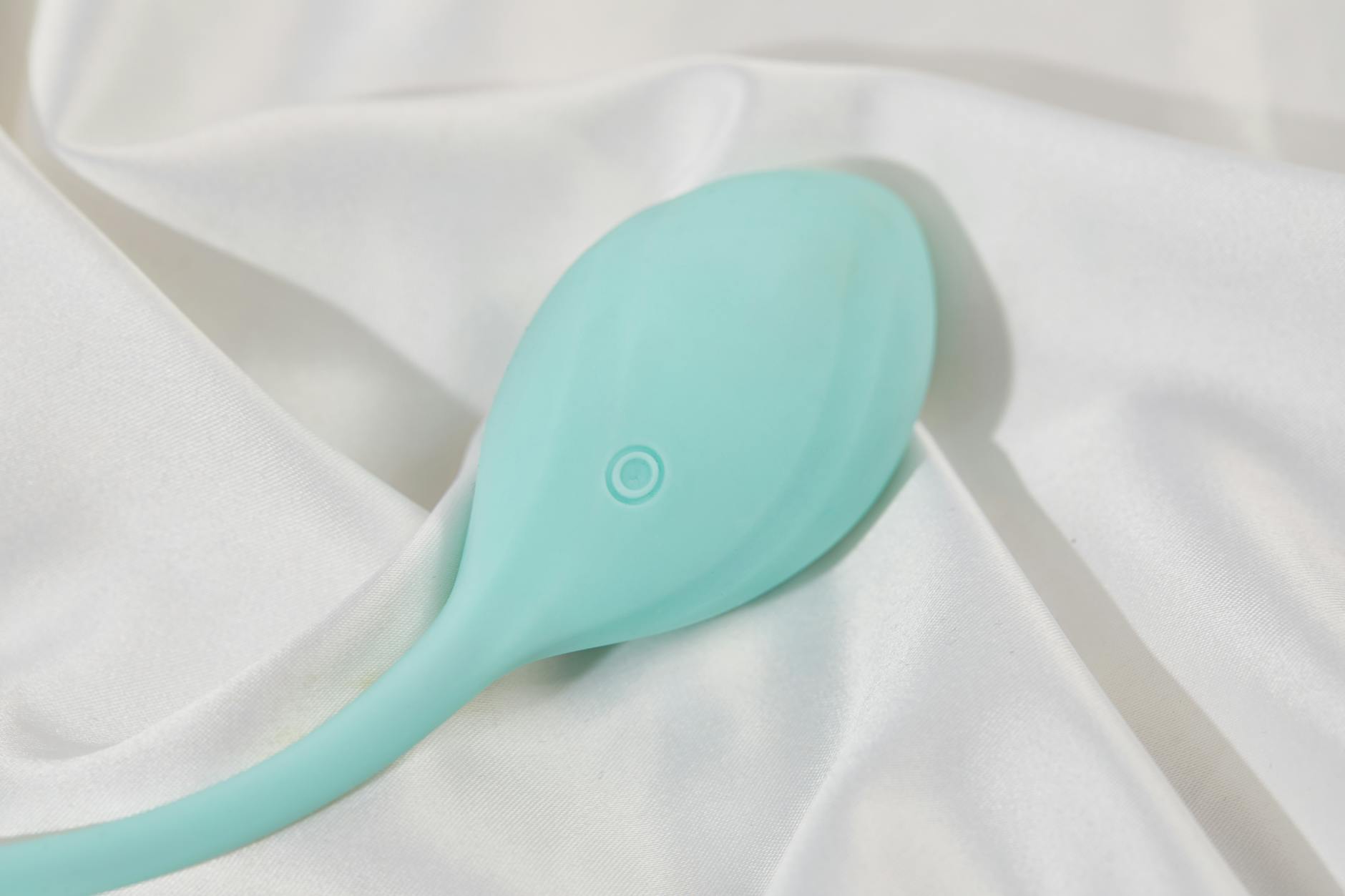
Lemon vibrators like the Lem deliver this sensation in a way that feels more like a massage than an assault. The gradual build of pressure, rather than sudden vibration, allows anxious people to stay present instead of bracing against the experience.
Start with stillness before movement
Here's where most anxiety-focused pleasure routines go wrong. People dive straight into using the toy at moderate intensity, which triggers the same nervous-system alarm that got them stuck in the first place.
Instead, begin by simply holding the Lem. Feel its weight. Notice the texture. Spend 2 to 3 minutes just becoming comfortable with it against your skin without turning it on. This sounds slow, but it's essential. You're teaching your nervous system that this object is safe.
Only after you feel genuinely relaxed, turn on pattern 1 (the lowest intensity). Keep it there for 5 to 10 minutes. Your job is not to chase an orgasm. Your job is to notice: does this feel okay? Do I feel safe? If the answer is yes, stay. If the answer is no, that's information too.
Anxiety recovery isn't about pushing through. It's about expanding your window of tolerance slowly.
Breathing and presence matter more than the toy
The toy is a tool, but your breath is the real engine. When you're anxious, you're probably holding your breath or breathing shallowly into your chest. That keeps your nervous system activated.
Before and during use, practice box breathing. Breathe in for 4 counts, hold for 4, exhale for 4, hold for 4. Repeat 5 to 10 times. This shifts your nervous system toward calm. Then, as you use the Lem, keep your breath slow and deep. If you notice yourself holding your breath, pause. The point is not stimulation. The point is learning that pleasure is safe.
This is why using a lemon clitoral vibrator while anxious works better with a partner who can remind you to breathe, or alone with a guided meditation playing softly. External cues help keep you grounded.
Layer in lubrication and comfort cues
Anxiety often lives in your body as physical tension, especially in the pelvic floor. Water-based lubricant helps on two fronts. First, it reduces friction, which means less sensation intensity and more gliding comfort. Second, the act of applying lube can be soothing if you make it intentional.
Before using your lemon sexual toy, warm some lube between your hands and massage your vulva gently. This is not foreplay in the goal-oriented sense. This is your nervous system learning that touch equals safety. Spend several minutes here. Notice what feels good versus what triggers tension.
Only after this warm-up does the Lem come into play. You've already moved your nervous system partway toward relaxation. The toy becomes an extension of that process, not the whole thing.
Use shorter sessions and track what works
People managing anxiety often try to force long sessions, thinking more time equals more healing. It doesn't. Short, consistent sessions build safety faster than occasional marathon attempts.
Aim for 10 to 15 minutes, 3 to 4 times a week. Keep a simple note on your phone afterward. How did you feel before? What was the intensity you used? How do you feel after? Did anything trigger your anxiety? Over 2 to 3 weeks, patterns will emerge. Maybe you do better in the morning. Maybe a specific pattern on the Lem works better than others. Maybe you need complete silence, not music.
This data is gold. It's how you learn what your nervous system actually needs, rather than what you think you should want.
The partner conversation, if there is one
If you're using a lemon clitoral vibrator with a partner, talk about it first. Not during. Not as a surprise. Before.
Explain that you're rebuilding arousal after anxiety has disrupted it, and that this tool helps your nervous system relax. Tell your partner exactly what helps. "I need you to go slowly." "I need you to check in with me." "I need you to breathe with me." These aren't requests for perfection. They're a map.
Many partners feel relieved to have concrete ways to help. What often looks like lack of desire is actually a nervous system stuck in protection mode. When your partner understands that, the pressure lifts.
When to add more intensity (and when not to)
After 3 to 4 weeks of consistent, low-intensity sessions, you might notice arousal building faster. Your nervous system is learning that pleasure is safe. That's when you can experiment with moving to pattern 2 or 3 on the Lem.
But here's the key. You're listening to your body, not pushing a timeline. If you move up in intensity and notice anxiety creeping back, dial it back. There's no failing here. You're learning the frequency at which your nervous system can relax and stay relaxed.
Some people with anxiety will always prefer lower intensities. That's not a limitation. That's wisdom. Your pleasure doesn't have to look like anyone else's.
What to expect (and what not to)
In the first 1 to 2 weeks, you might not feel much of anything. That's normal. Your nervous system is still skeptical. Stick with it anyway. You're building trust between your mind and your body, and that takes time.
By week 3 or 4, you'll probably notice arousal arriving faster and sticking around longer. Orgasms might come more easily, or they might not change at all. That's fine. The goal isn't climax. The goal is reclaiming your body as a source of safety and pleasure, not a source of panic.
Some people find that regular use of a lemon vibrator actually reduces their baseline anxiety over time. That's because pleasure and relaxation are parasympathetic activities. When you practice them regularly, your nervous system learns a new default.
If anxiety doesn't budge, that's also data
If after 4 to 6 weeks of consistent practice, anxiety is still blocking arousal, consider talking to a therapist. Not because something is wrong with you, but because sometimes anxiety needs multiple approaches. A lemon vibrator is a helpful tool for nervous system regulation, but it's not a replacement for therapy or medication if that's what you actually need.
In fact, some people find that pairing vibrator use with therapy moves them forward faster. The tool helps the nervous system, and the therapist helps you understand and process the root of the anxiety. Both matter.
FAQ
Can using a lemon vibrator make anxiety worse?
Yes, if you jump straight to high intensity without building trust first. That's why starting low and staying patient is essential. If you find that any intensity of the Lem triggers anxiety rather than easing it, that's information. Stop using it and explore other tools.
How long does it take for arousal to return when anxiety is the main block?
Typically 3 to 6 weeks of consistent, low-pressure use. Everyone's timeline is different, but patience is the operative word. Rushing the process defeats the whole point.
Can I use a lemon vibrator while taking anxiety medication?
Absolutely. In fact, some people find that medication plus the nervous-system regulation from suction-based toys creates a really effective combination. Talk to your prescriber if you're curious about specifics, but there's no conflict.
What if I can't relax enough to use any vibrator?
Start without the toy. Practice the breathing exercises. Get comfortable with lubrication and self-massage. The Lem can come later. Pleasure is available at every step.
Is a lemon vibrator better than other vibrators for anxiety?
For many people with anxiety, yes. The suction mechanism is more rhythmic and predictable than buzzing, which makes it easier for an anxious nervous system to trust. But everyone's different. What matters is finding what your body actually responds to.
Should I tell my therapist I'm using a vibrator?
If they're a good one, yes. Pleasure and nervous-system regulation are part of healing. A therapist who gets uncomfortable with that conversation might not be the right fit for what you're working on.
You deserve to feel good again
Anxiety steals pleasure, but it doesn't own it permanently. When you use tools like lemon vibrators intentionally, with patience and self-compassion, you teach your nervous system that arousal is possible again. You're not forcing anything. You're reminding your body what safety feels like.
If you want to explore this further, consider checking out our guide on how lemon vibrators help rebuild arousal after major life stress or how to use a lemon vibrator during partner and solo sessions for deeper arousal. Both offer deeper dives into building arousal in real circumstances.
Your pleasure matters. Start small, stay consistent, and trust the process.