
The medication nobody warns you about
Here's what your doctor probably didn't mention: certain medications rewire how your body responds to pleasure. Antithyroid drugs, some birth controls, medications for blood pressure, and even common anxiety treatments can shift your hormonal balance enough that arousal takes longer, sensation dulls, or orgasm feels distant or harder to reach. It's not you. It's not your relationship. It's chemistry.
The good news is that sensation is almost always recoverable, and lemon clitoral vibrators are specifically engineered to work with bodies in this state. Understanding why they're different, and how to use them strategically, can mean the difference between months of frustration and a few weeks of reconnection.
Why medication messes with pleasure
Your nervous system relies on a delicate balance of hormones to register stimulation. Estrogen, testosterone, thyroid hormones, and cortisol all play roles in blood flow to genital tissue, nerve sensitivity, and the brain's ability to process sensation. When medication alters any of these, your body's pleasure machinery doesn't break. It just operates on a different frequency.
Some medications cause direct suppression. Others create what I call "neural lag," where your brain receives the signal just fine, but the response time stretches out. You're not numb. You're just not resonating at the usual pitch.
The tricky part is that the longer sensation stays muted, the harder it becomes to trust your body. Anxiety builds. Frustration follows. Your partner might wonder if the issue is them. It's not. It's biochemistry, and it's fixable.
Why lemon vibrators are different after hormonal shifts
Most vibrators rely on high-frequency buzz or deep rumble to trigger response. Both require your nervous system to be operating at baseline. When hormonal shifts have dampened your sensitivity, that approach often backfires. You turn the intensity up, get frustrated that you still can't feel it, and stop trying.
Lemon clitoral vibrators use a completely different mechanism. Instead of traditional vibration, lemon sexual toys employ gentle air-pulse suction that stimulates a broader area of nerve endings at once. This approach works beautifully with compromised sensation because it doesn't require your body to detect a single precise frequency. It creates sustained pressure and release patterns that your nervous system can feel even when baseline sensitivity is low.
Think of it this way: a traditional vibrator is like trying to hear someone whisper across a noisy room. A lemon vibrator is like feeling someone hold your hand. One requires you to isolate a signal. The other creates unmistakable contact.
Starting fresh with the right settings
If you're used to vibrators and your medication has dampened response, don't start at your old settings. Your nervous system is running on a different operating system now. You need to recalibrate.
Step one: start with the lowest setting. Seriously. If you use The Lemon Clitoral Vibrator or another lemon sexual toy, begin at pattern one. Spend five to ten minutes there. Your goal is not orgasm yet. It's to reacquaint your body with sensation at a pace your current neurology can register.
Step two: extend your warm-up. Medication-related sensitivity changes usually mean arousal takes longer to build. Instead of the 5-10 minute warm-up you might have done before, plan for 15-25 minutes. This isn't a problem. It's information. Use it to explore sensation at your own pace, without performance pressure.
Step three: layer in lubrication. Water-based lube isn't just helpful here. It's essential. It reduces friction, increases glide, and makes subtle sensations more perceptible. Don't skip this step thinking it means something is wrong. It means you're working with your body as it is now.
Building sensation back in stages
Rebounding from medication-induced sensitivity loss isn't about pushing harder. It's about strategic layering. Here's the rhythm that works for most people.
Weeks one to two: exploration. Use your lemon clitoral vibrator on the lowest settings during solo sessions. No goal. No pressure to orgasm. You're just relearning what sensation feels like on your current baseline. Spend time with each pattern. Notice what feels different. Notice what feels good. Keep a simple note: "Pattern 1 felt warm. Pattern 2 felt sharper." This grounds you in sensation, not performance.
Weeks three to four: gradual progression. Once patterns one and two feel familiar, move up to patterns three and four. Again, during solo time. You're building a map of your body's response at different intensities.
Week five onward: partner integration. Once you've rebuilt your solo map, introducing a partner changes things. Their presence, touch, and attention all amplify sensation. If you have a partner, this is where lemon sexual toys become tools for shared pleasure rather than solo recovery aids.
If you're solo, this is also where you might start exploring whether partnered scenarios (mental imagery, audio, or actual partnered use) deepen your connection to sensation.
The partner conversation nobody wants to have
If you're navigating medication-related sensation changes with a partner, the worst move is silence. Your partner might assume pleasure loss is about them. You might assume they're impatient with your slower arousal timeline. Both assumptions spiral.
Instead, have a specific conversation: "My medication has changed how my body responds to stimulation. This isn't about you or us. It's neurochemistry. I'm using a lemon clitoral vibrator to rebuild sensation, and I'd like your support during this."
Then tell them what that support looks like. Do you want them present during solo sessions? Do you want to explore partnered use of a lemon vibrator together? Do you want them to simply understand that arousal takes longer now and that's normal?
For many couples, the reframing is a relief. Suddenly the conversation shifts from "What's wrong?" to "How do we work with this together?"
When to adjust your medication conversation
If you're several weeks into using lemon vibrators and sensation still hasn't improved, that's worth mentioning to your prescribing doctor. Not as a complaint. As data. "Since starting this medication, I've noticed sustained changes in sexual sensation. I've been working with tools to rebuild arousal, but I'd like to discuss options."
Sometimes a small dose adjustment helps. Sometimes switching to a similar medication with different side effects works. Sometimes the benefit of the medication outweighs the sensation change and you decide to stay on it and keep working with tools like lemon adult toys that make pleasure accessible.
But your doctor can't help troubleshoot what they don't know about. Give them the information.
Why this matters beyond pleasure
I work with a lot of people navigating this exact situation, and what strikes me most is how quickly sensation loss spirals into isolation. You stop initiating sex. Your partner stops trying. Resentment builds. Physical connection fractures.
Then someone introduces a lemon clitoral vibrator, or a partner suggests rebuilding pleasure together, and the entire dynamic shifts. Suddenly you're having fun again. You're touching again. The medication is still there, the hormonal shift is still there, but the pleasure is no longer off-limits.
This is why lemon vibrators matter. They're not a workaround for a broken system. They're a way to keep connection alive while your body recalibrates to new chemistry.
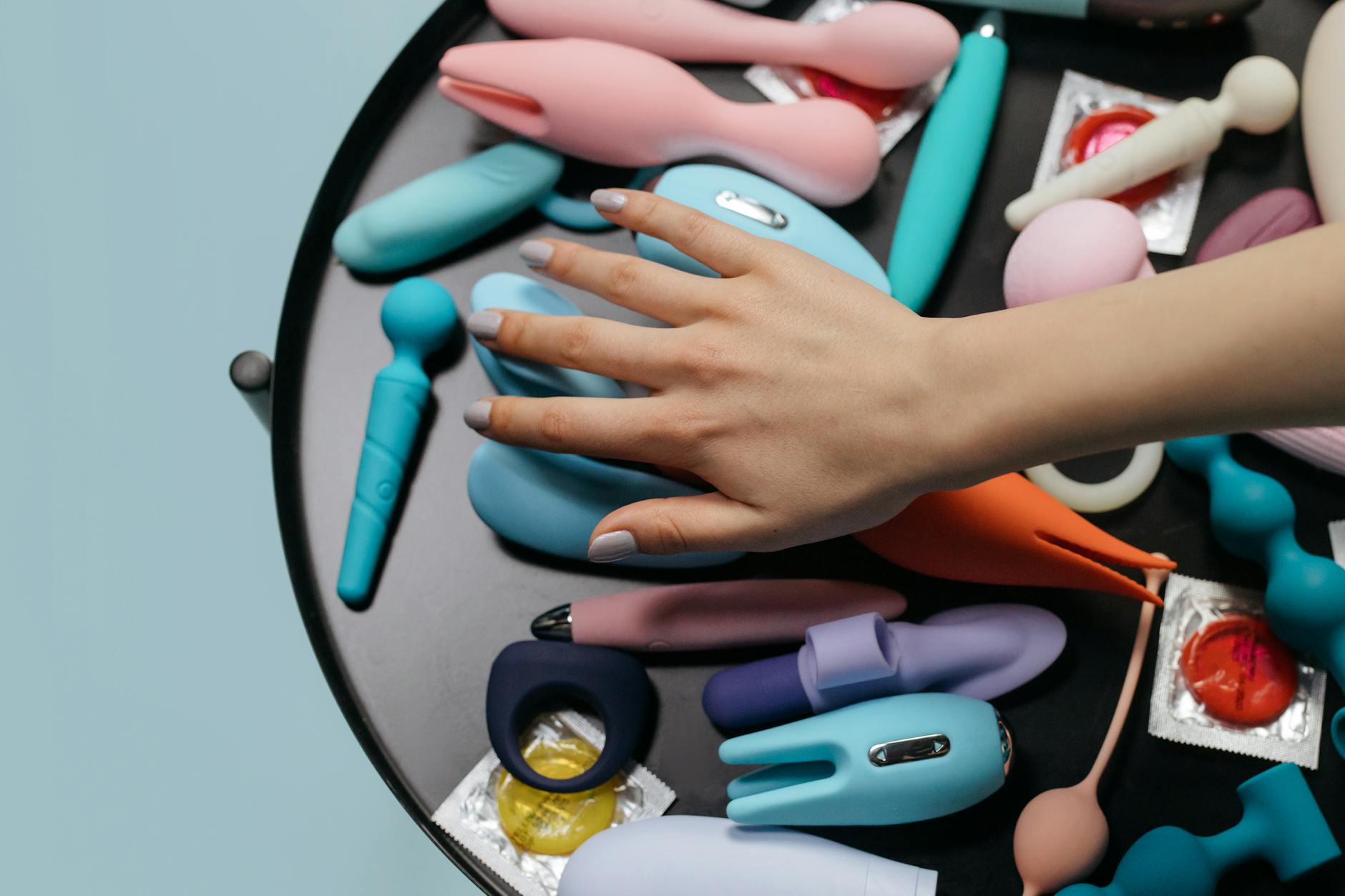
Photo by cottonbro studio on Pexels
FAQ: Medication, hormones, and lemon vibrators
How long does it take for sensation to come back after starting a new medication?
It varies widely. Some people notice changes within days. Others don't fully register the shift for weeks. Sensation recovery after introducing tools like lemon clitoral vibrators typically takes 2-6 weeks of consistent, pressure-free exploration. The timeline depends on the specific medication, your body's chemistry, and how much mental pressure you're putting on yourself. Remove the pressure, commit to exploration, and most people see improvement faster.
Can I use a lemon vibrator while on antidepressants that affect sexual function?
Absolutely. Many antidepressants do suppress arousal and sensation, and lemon sexual toys work particularly well in this context because they stimulate a larger nerve area at once. The air-pulse mechanism is gentler than traditional vibration and often more effective for bodies running on altered chemistry. Start low, be patient with longer arousal timelines, and give yourself permission to rebuild pleasure on a new schedule.
Is there a best time of day to use a lemon clitoral vibrator after medication changes?
Many medications affect energy and mood throughout the day. If your medication makes you drowsy at certain times, avoid those windows. If it spiked your anxiety in the morning, midday or evening might feel safer. Pay attention to when your body feels most relaxed and present. That's your optimal window. Consistency matters more than timing, though. Using a lemon vibrator three times a week regularly builds sensation faster than sporadic use.
Should I tell my partner about using a lemon vibrator for medication-related sensitivity changes?
If you have a partner and you want physical intimacy to continue, yes. Not as a confession or apology, but as information. "My medication has changed how I respond to stimulation. I'm using a tool to work with that. Here's what would help." Transparency prevents resentment and creates space for partnered exploration if that interests you both. Secrecy usually makes things worse.
Can lemon vibrators help if my medication causes complete numbness in genital areas?
If you're experiencing total numbness, a lemon clitoral vibrator might help, but that level of sensation loss usually warrants a conversation with your doctor first. Complete numbing sometimes signals a need for medication adjustment or a switch to a different drug. Lemon sexual toys are excellent for mild to moderate sensitivity changes. For severe numbing, medical guidance helps more than pleasure tools alone.
What if I switch medications and my sensation comes back? Do I still need a lemon vibrator?
No. If your sensation normalizes, you might not need it. But plenty of people keep using lemon vibrators anyway because they enjoy them. The question isn't whether you need it. It's whether you like it. If medication changes your body permanently and you're rebuilding a new normal, lemon clitoral vibrators can become part of your pleasure toolkit long-term. If sensation fully returns, the choice is yours.
Moving forward
Medication-related sensation changes feel like a loss. They often are. You lose access to an old rhythm of pleasure. But they're also an invitation to rebuild on terms that work for your body now.
Lemon vibrators aren't a band-aid. They're a way to meet your body where it actually is instead of where you wish it were. That shift, from fighting your current chemistry to working with it, changes everything. Your pleasure matters. Your body deserves tools that match its current wiring. Start low, be patient, and give yourself permission to rebuild slowly. That's where real pleasure lives.