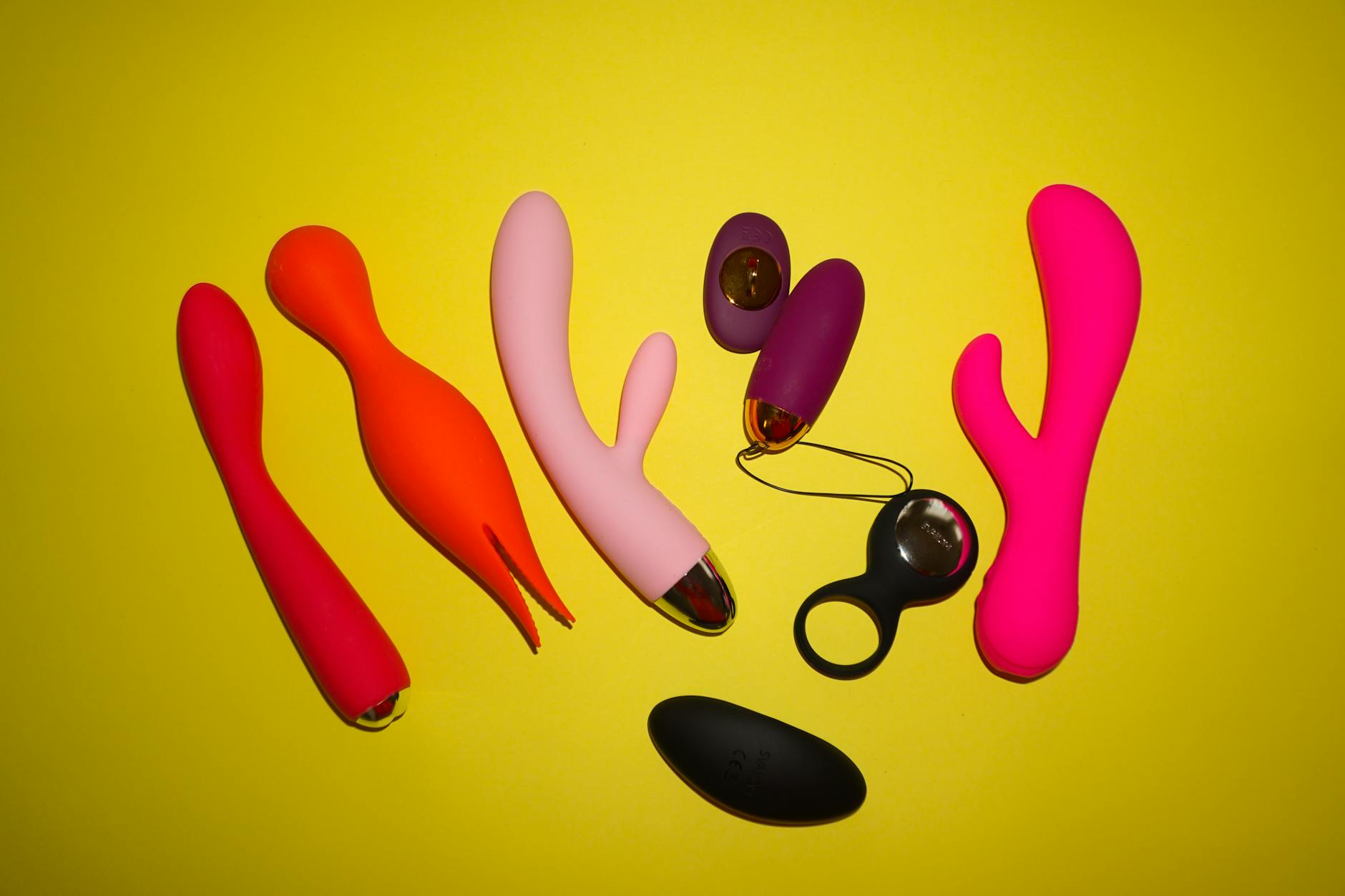
Let's be real about body image and sex
Body image anxiety doesn't stop at the bedroom door. For many people, it follows them straight into bed, narrating every sensation, every position, every moment of potential pleasure. The inner critic doesn't turn off just because you're intimate. It gets louder. And that voice makes it nearly impossible to feel anything at all.
Here's what research and clinical experience both confirm: disconnection from your body during sex is one of the most common barriers to orgasm and satisfaction. And it has almost nothing to do with how your body actually looks. It has everything to do with where your attention is.
How body image gets in the way of pleasure
When you're anxious about how you look, your nervous system is in a state of mild threat. Your brain is monitoring and evaluating rather than receiving sensation. You're watching yourself from outside your body instead of inhabiting it. This is called "spectatoring," and it's the enemy of pleasure.
With a partner, it gets more complicated. You're not just managing your own criticism. You're also managing imagined criticism from them. You're holding your stomach in, repositioning to hide what you think is unflattering, choosing positions based on what you think looks good rather than what feels good. By the time you've done all that mental gymnastics, genuine arousal is impossible.
Alone, it's different but equally blocking. You might avoid touch altogether because being aware of your body feels worse than avoiding sensation. Or you might rush through it to minimize the time you have to sit with discomfort.
Why lemon clitoral vibrators work differently for body image anxiety
Lemon vibrators, particularly the clitoral design of The Lemon Sexual Toy, work well here for a specific reason: they're intensely focused. The stimulation is concentrated on the clitoris, not spread across your whole body. This means you can direct your attention to what you're actually feeling rather than surveying how you look.
There's a psychological shift that happens when pleasure is this localized. Instead of being aware of your thighs, your belly, your posture, you become aware of sensation. Just sensation. The vibration is impossible to ignore, which forces your attention into the present moment and into that one part of your body that's receiving direct pleasure.
Second, using a lemon vibrator alone (as many people do) removes the partner-watching dynamic entirely. You're not performing. You're not being evaluated. You're just experiencing. That safety is foundational for people with significant body image concerns.
Starting small when your nervous system is activated
If body image anxiety is high, your nervous system is likely already dysregulated. When you approach touch, you're not starting from a calm baseline. You're starting from a place of mild defensiveness. That's important to acknowledge.
Start with the lowest setting on your lemon vibrator. Not because intensity is bad, but because gentle stimulation can help settle your nervous system before building to stronger sensation. Spend five to ten minutes at pattern one, just letting your body adjust to the vibration. Let your breath slow down. Let the novelty wear off.
Many people find that by the time they move to a higher setting, the anxiety has dropped significantly. The vibration itself becomes a focal point that quiets the critical voice.
Using positioning to anchor your attention
Lying on your back with knees bent is the gentlest starting position for most people. It requires no performance. You're supported. You're not thinking about how anything looks because you're only looking up at the ceiling.
Some people find lying on their side helpful because they're not as exposed to their own gaze. Others prefer sitting upright leaning back against a pillow. The point is: choose a position based on what feels emotionally safe first, physically comfortable second. Pleasure will follow once those two are in place.
Once you're settled, close your eyes if that helps. Focus on your breath and what you're feeling, not what's visible.
The permission piece (this is actually critical)
Body image anxiety often comes packaged with a belief that you don't deserve pleasure unless you look a certain way. That you should earn it through appearance or performance first. That belief is wrong, and you need to actively reject it.
Using a lemon vibrator is permission to yourself that your pleasure matters now, as you are. Not after weight loss, not after the gym, not after you feel more confident. Now. This is harder than it sounds, because the voice resisting that permission is often very loud.
One practice that helps: before you use your vibrator, take thirty seconds and say it out loud or write it down. "My pleasure matters today. My body deserves this." Sounds small, but it disrupts the automatic narrative and creates space for something different.
Building confidence through sensation, not mirrors
Confidence in your body comes from two places: how it looks and how it feels. Most body image work focuses on looks. But sensation-focused pleasure work does something different. It builds confidence from the inside out.
When you discover that your clitoris can feel incredible, that your body is capable of strong orgasm, that pleasure isn't dependent on appearance, something shifts. You stop being a body to be judged and become a body that feels. That's a fundamentally different relationship.
Using your lemon clitoral vibrator regularly (even just once or twice a week) reinforces that shift. Over time, you might notice that you think less about how you look during intimacy and more about what feels good. That's not accidental. That's neural rewiring through repeated positive sensation.
Managing the voice when it does show up
Sometimes the critical voice will still interrupt, even with all this. That's normal. When it does, you have three choices: engage with it (which usually makes it louder), suppress it (which requires energy and backfires), or notice it and redirect.
Redirection means gently bringing your attention back to sensation. Not fighting the thought. Just noticing it's there and choosing to focus on the vibration instead. It's like a meditation practice. The thought arises. You notice. You return to the breath, or in this case, the sensation.
After a few times practicing this, the interruptions usually decrease. Your nervous system learns that this is a safe place.
When to bring a partner in
Once you've spent some time alone with your lemon vibrator and your relationship with pleasure has started to shift, you might want to include a partner. But only if you want to. Solo pleasure is complete on its own.
If you do bring someone in, you control the narrative. "This feels amazing to me" changes the dynamic from performance to participation. You're not demonstrating pleasure for them. You're sharing something that's already working for you. That distinction matters.
Many couples find that pleasure with a vibrator is less triggering for both partners when it's framed as exploration, not performance. You're both discovering something together, not auditioning for approval.
The long game
Body image anxiety doesn't disappear overnight. But pleasure is a gateway drug to radical acceptance of your body. The more you experience real sensation and real satisfaction, the harder it is to maintain the critical narrative. Your body starts to feel like a source of good rather than a subject of judgment.
Using lemon adult toys consistently gives your nervous system repeated evidence that this body, exactly as it is, can feel incredible. That's not philosophy. That's biology. And over time, biology wins.
Frequently asked questions
Can using a lemon vibrator actually help me feel more comfortable in my body?
Yes, but indirectly. What vibrators do is create consistent positive sensation that your brain learns to associate with your body. That association slowly rewires the critical narrative. You're not magically becoming body-positive. You're building new neural pathways through pleasure. After weeks or months of this, many people notice their inner critic gets quieter during sex. It's not willpower. It's habit.
What if I feel worse or more anxious when I try using my vibrator?
Stop, and take that seriously. For some people with trauma history or significant body dysphoria, solo touch can initially increase dysregulation. If that's you, consider working with a trauma-informed therapist before diving into vibrator use. A professional can help you build a foundation of nervous system safety first. Then vibrators become a tool within that framework, not a trigger.
Should I use my lemon vibrator with my eyes open or closed?
Whatever keeps you in your body rather than observing it. For most people with body image concerns, closed eyes are easier because you remove the visual self-judgment. But some people find that closing eyes increases anxiety because they're less in control of what they're imagining. Experiment. There's no wrong answer.
How often should I use a lemon vibrator to see a shift in body image anxiety?
Consistency matters more than frequency. Once or twice a week, every week, for at least four to six weeks will create noticeable shifts in both your pleasure capacity and your anxiety level. You'll likely notice increased ease first, then gradually more confidence. Don't expect transformation overnight, but do expect measurable change within a month or two of consistent use.
Is it normal to feel guilty about prioritizing my pleasure?
Yes. Guilt about pleasure is deeply cultural, especially for people who've internalized messages that their bodies exist for others. That guilt is learned, which means it can be unlearned. Each time you use your lemon clitoral vibrator for your own satisfaction, you're sending a message to your nervous system: my pleasure is valid. That message needs repetition to stick. So yes, feel the guilt if it shows up. Then use your vibrator anyway. You're retraining your system.
Can a partner make body image anxiety worse during vibrator use?
Absolutely. If your partner is watching critically, checking their phone, or making comments about your body, that will amplify anxiety regardless of the vibrator. Some partners are genuinely supportive and curious. Others bring their own baggage. You get to choose whether you use your lemon vibrator solo or partnered based on where you feel safest. There's no obligation to involve anyone else in this.
The bottom line
Body image anxiety is real, and it's one of the biggest pleasure blockers most people face. But pleasure itself is a tool for rewiring that anxiety. Lemon clitoral vibrators focus your attention in a way that makes it almost impossible to stay in your head. They give you repeated evidence that your body deserves sensation and satisfaction. And over time, that evidence changes the story you tell yourself.
You don't have to feel perfect about your body to experience incredible pleasure. You just have to practice redirecting your attention from judgment to sensation. A lemon vibrator makes that practice simple, focused, and deeply rewarding.
Ready to explore this for yourself? Get in touch with us if you have questions about which lemon sexual toy might feel best for you.