Let's talk about the after
Breakups do weird things to your body. Even if the relationship needed to end. Even if you're relieved. Your nervous system doesn't know the difference between sad-relieved and genuinely traumatized. It just knows: the person who touched you regularly is gone. Your brain is flooded with cortisol. And suddenly, pleasure feels like a foreign language you used to speak fluently.
Here's what I hear from clients in the first weeks and months post-breakup: either they feel nothing when they try to engage sexually, or they feel a sharp mix of guilt and discomfort that makes touching themselves feel wrong. Both are completely normal. And both shift faster when you approach self-pleasure as a form of grounding and reconnection, not as a substitute for a partner.
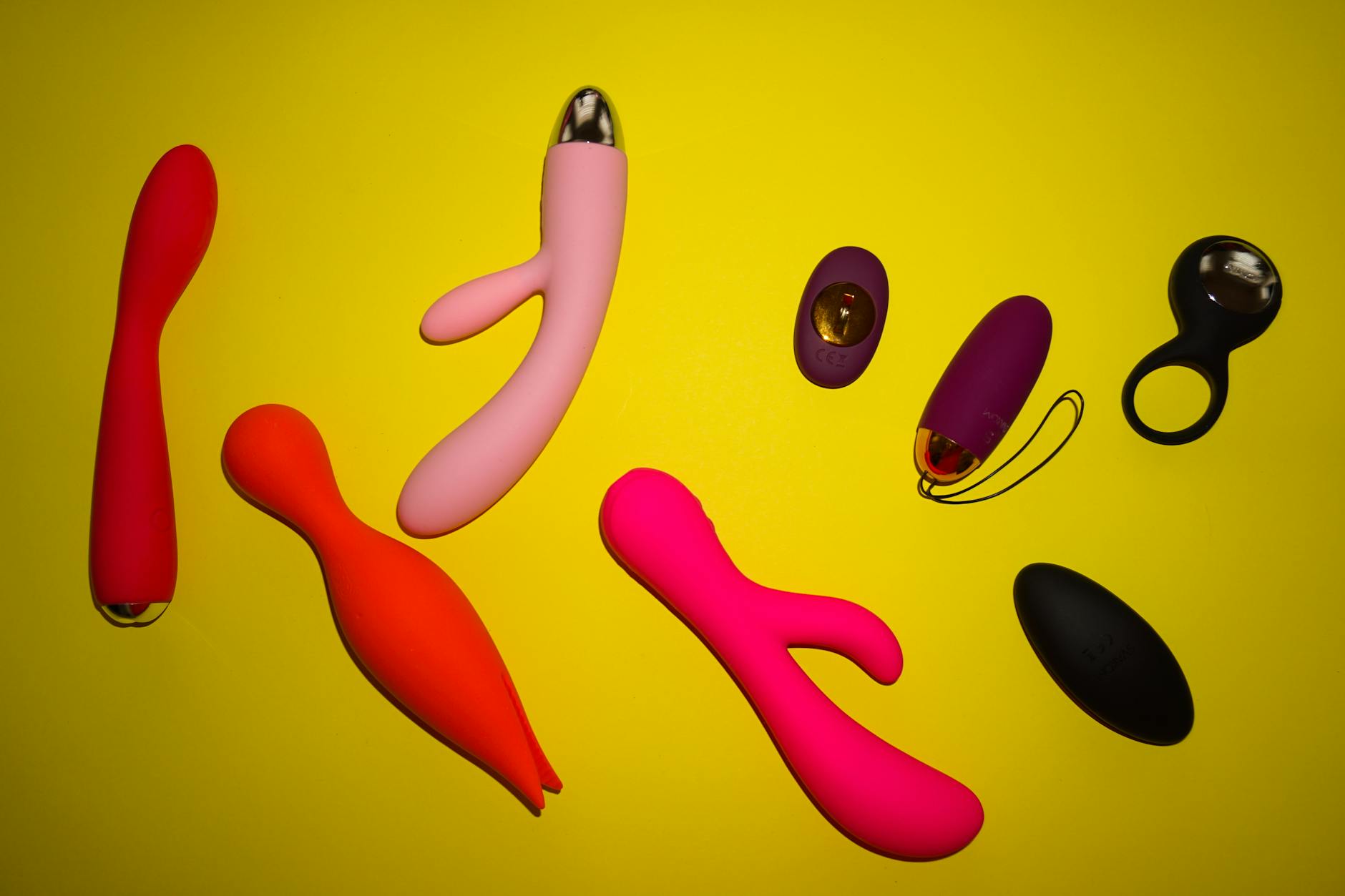
That's where lemon vibrators come in. They're not magic. But they do something specific that helps you move through this transition: they give your nervous system permission to feel good again, without any of the baggage of intimacy.
Why your body might feel different right now
When you're in a partnership, your body adapts to another person's rhythm, preferences, and presence. Your nervous system learns to relax around them. Your arousal patterns sync to their touch, their timing, their initiation. And then suddenly, all of that context is gone.
What happens neurologically is that your reward pathways have been wired for partnered pleasure for months or years. Your brain releases dopamine, oxytocin, and serotonin in response to their touch. Now, your own touch feels unfamiliar because it's not triggering that same cascade. You might feel numb. You might feel guilty for wanting to feel good. You might feel like you're cheating on a ghost.
Add to this the fact that breakups often come with disrupted sleep, elevated stress hormones, and a nervous system in recovery mode. Your body is literally less responsive. That's not a flaw. That's a phase.
Starting small: the permission piece
Before you even pick up a toy, the real work is permission. And I mean that seriously.
Many people grow up hearing that solo pleasure is shameful, or selfish, or something you do because you're lonely. If you heard that story, you're carrying it now. A breakup can intensify that shame because now you're actually alone, and your brain tries to convince you that wanting to feel good proves the shame was right.
It's not. Your pleasure is yours. It was never supposed to be proof of anything. And using a lemon vibrator is not settling for less. It's reclaiming the part of your sexuality that belongs only to you.
Start here: spend a week just touching yourself without a toy. Not trying to orgasm. Just noticing. A few minutes in the morning, or before bed. Notice what you feel, what you don't feel, where your attention goes. This isn't performance. It's reconnaissance. You're meeting yourself again after months of learning someone else.
Introducing the lemon vibrator slowly
Once you've spent a week reconnecting with your own touch, introduce the lemon vibrator. Not because you need it to come. Because it's a different sensation than your fingers, and sometimes a change in sensation is exactly what helps your nervous system wake back up.
Start with the lowest setting. A lemon clitoral vibrator works through gentle suction and vibration, which means it doesn't require the same kind of direct friction you might use with your fingers. This is actually an advantage when you're in transition, because it feels distinctly different from partnered sex. You're not comparing. You're exploring.
Give yourself at least 20-30 minutes. Put your phone in another room. Light a candle if that helps you feel like you're doing something for yourself, not just distracting yourself. The goal is not to orgasm. The goal is to notice. Does this feel good? Does this feel neutral? Is there tension you didn't know you were holding?
Many newly single clients tell me that the first time they use a vibrator after a breakup, nothing happens for the first 10 minutes. Then something shifts. Usually it's a mental shift. The story they were telling themselves (I can't feel anything, I'm broken, I'll never want sex again) finally gets quiet long enough for the body to just exist.
Building the practice
Once the nervous system settles a bit, you can start thinking about pleasure as a practice, not a performance. This is different from how most people think about solo sex. It's not about chasing the orgasm. It's about rebuilding your relationship with your own desire.
Three times a week, spend 20-30 minutes with your lemon vibrator. Vary the setting. Notice if you prefer the pattern more on some days than others. Notice if time of day matters. Notice if you want to combine it with other sensations: a particular texture against your skin, a specific fantasy, music, silence. This is information about what your body actually needs, separate from what your ex needed, or what you thought you should like.
The reason to use a clitoral vibrator specifically during this period is that clitoral pleasure is often the least entangled with partnered dynamics. It's hard to be performance-focused when the stimulation is so directly under your control. You can't disappoint a vibrator. You can't worry if the vibrator is enjoying it. You're just there, alone, feeling what you feel.
When it gets complicated
Some people find that using a vibrator post-breakup triggers sadness or anger. That's information, not a problem. If you find yourself crying halfway through, you're not failing. You're processing. Pleasure and grief live really close to each other in the nervous system. Let yourself feel whatever comes.
If you're using a vibrator specifically to numb pain, that's different. There's a difference between solo pleasure as a form of self-care and solo pleasure as dissociation. If you're reaching for the vibrator every night because you can't sit with sadness for five minutes, that's worth pausing on. Talk to a therapist or reach out to a friend. The vibrator will still be there when you're ready to use it as pleasure, not just escape.
The long view
This phase doesn't last forever. Somewhere in the next few months, one of two things happens: your own pleasure becomes genuinely pleasurable again, or you get interested in someone and have to renegotiate what attraction feels like when it's not bound up in old patterns. Either way, you'll have spent time getting reacquainted with what turns you on separate from anyone else's presence. That's valuable. That's yours to keep.
Using lemon vibrators during this transition is not about proving you're over the breakup. It's not about replacing your ex. It's about coming home to yourself. Your pleasure, your desire, your body. That's the work. And it's absolutely worth doing.
People also ask
How soon after a breakup can I start using vibrators?
There's no hard rule, but I usually suggest waiting until the first wave of acute grief has softened a bit. That's different for everyone. Some people are ready in two weeks. Some take two months. A good marker is when you can think about the breakup without your chest tightening. When you can have a day where the person barely crosses your mind. That's when your nervous system is ready to explore pleasure again. If you try earlier and it feels wrong, that's okay. It means you're not ready yet. Try again in a few weeks.
Can using a vibrator make me feel more alone?
Sometimes, especially at first. Pleasure that was partnered for a long time can feel isolating when it's suddenly just you. That's normal. It usually shifts once you stop comparing solo pleasure to partnered pleasure and start appreciating them as completely different experiences. If the loneliness deepens, though, that's worth addressing with a therapist or trusted friend. Solo pleasure should feel empowering, not like evidence of solitude.
Should I tell a new partner that I've been using vibrators since the breakup?
There's no obligation to disclose your solo sex practices. But if you're building a new relationship and thinking about sharing pleasure with them, knowing what you've discovered about your own body is incredibly valuable. You don't have to say "I used a vibrator after my ex." You can just say "I learned some things about what I like when I had time alone." That's information that serves both of you.
What if I can't orgasm with a lemon vibrator?
That's completely fine. Orgasm is not the only marker of a successful solo session. Some people are just exploring sensation. Some are practicing being present with their body. Some are genuinely in a neurological recovery phase where orgasm just isn't available yet. All of those are okay. If you're frustrated by the lack of orgasm, ask yourself why that matters. Is it because you need to prove something? Or is it because you actually enjoy the sensation of coming? If it's the latter, patience usually helps. If it's the former, permission matters more than the vibrator.
Can a lemon vibrator help with low libido after heartbreak?
Indirectly, yes. A lemon clitoral vibrator can help your nervous system remember what pleasure feels like without the emotional complexity of partnered sex. That memory is often the first step toward libido returning naturally. But low libido after heartbreak is usually not a vibrator problem. It's a nervous system problem. You might need sleep, exercise, therapy, and time more than you need a toy. The vibrator is a tool. It's not a replacement for the work.
Is it normal to feel guilty using a toy after a breakup?
Extremely normal. If you were raised with messages that pleasure is selfish, or that solo sex is a substitute for "real" sex, a breakup can intensify that guilt. But here's what I know: your pleasure has always belonged to you. You didn't forfeit it when you paired up. You didn't owe your ex an exclusive claim on your body's ability to feel good. Solo pleasure isn't settling. It's the foundation. Everything else is built on knowing yourself first.
Get back to you
Breakups are disorienting. You lose not just the person, but the identity you built around being partnered. Using a lemon vibrator won't fix that. But it can be a small, consistent act of coming home to yourself. That matters. Start with permission. Move to presence. Let pleasure be about you again. That's the real work, and it's worth the time.