
Let's start with what nobody talks about
Your pelvic floor is always clenching. Right now, probably. You're not aware of it the way you'd notice your shoulders hunching, but it's there: a subtle, persistent grip that tightens when you're stressed, anxious, busy, or scared. Over time, that tension becomes baseline. Your body forgets what relaxed feels like.
When your pelvic floor stays tight, arousal doesn't stand a chance. Pleasure requires a paradoxical thing to happen first: you have to relax the muscles that feel like they're protecting you.
Why pelvic floor tension kills desire
Here's the chain reaction. Stress and anxiety trigger your nervous system to contract. Your pelvic floor tightens in response. That tightness blocks blood flow to the genital tissues, which means less sensation, slower arousal, and sometimes pain during sex. Then pain makes you tense up more. The cycle locks in place.
Meanwhile, your brain is watching all this and learning: sex is hard, sex is uncomfortable, sex is not worth the effort. After weeks or months of this pattern, desire doesn't just fade. It disappears.
I see this constantly in my practice. Someone will come in saying they've "lost interest" in sex. What they actually lost is the ability to access the relaxation state where desire lives. The desire didn't go anywhere. It's just been trapped behind a locked pelvic floor.
How lemon vibrators break the tension cycle
The suction mechanism in lemon clitoral vibrators (like the Lem) works differently than traditional vibration. Instead of aggressive buzzing that can feel intense or overwhelming, suction applies gentle, rhythmic pressure that stimulates without forcing. That distinction matters for someone in tension.
When you use a lemon sucker on your clitoris, a few things happen fast. First, the suction draws blood into the tissues, warming and awakening them. The sensation is almost cradling, not piercing. Your nervous system doesn't feel attacked. It starts to relax.
Second, the rhythm of the suction can actually help retrain your pelvic floor. As pleasure builds slowly and gently, your body learns that it's safe to let go. The muscles that have been white-knuckling for months start to understand that relaxation equals good things happening.
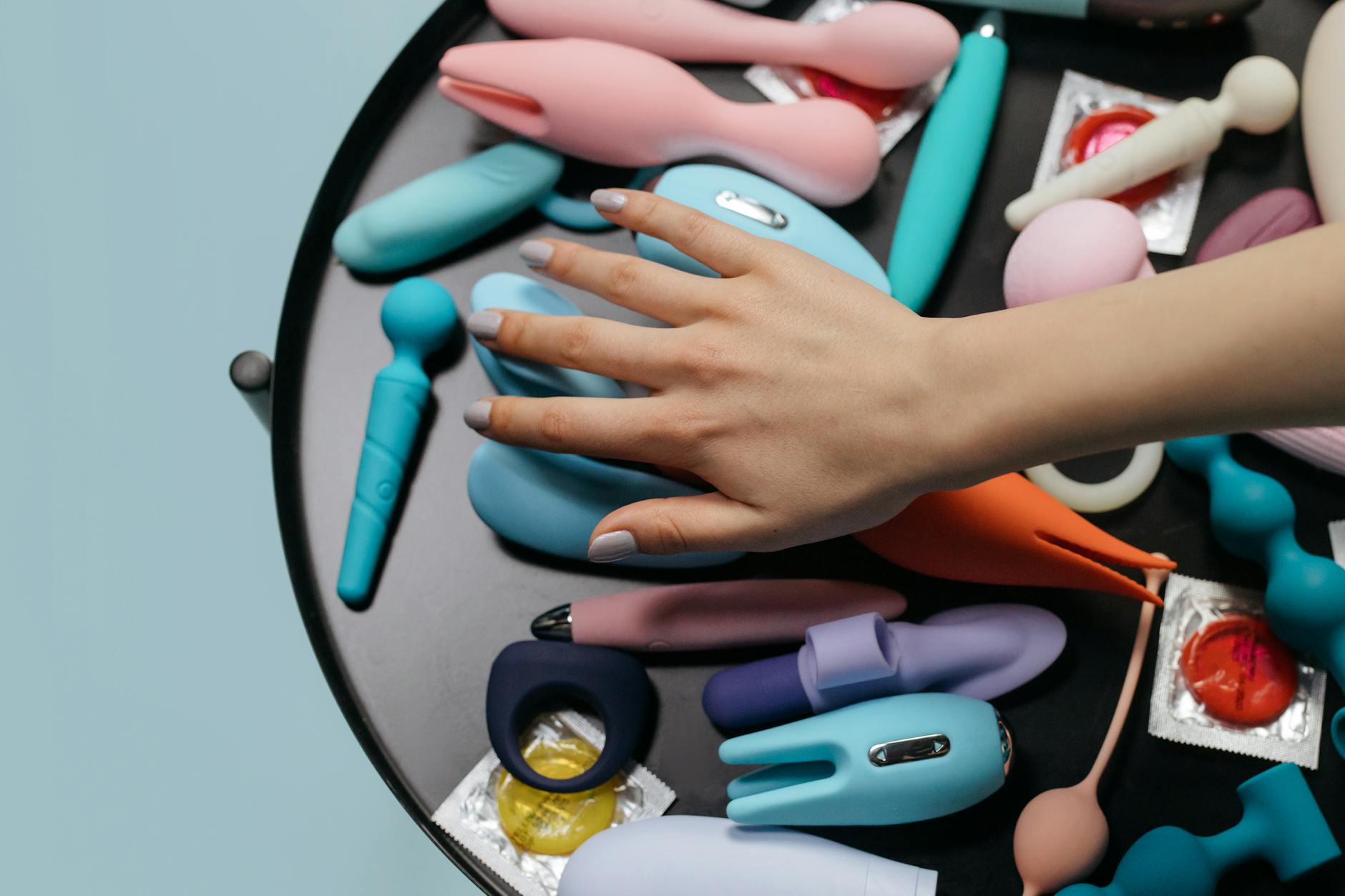
Photo by cottonbro studio on Pexels
Third, lemon vibrators allow you to experience arousal without performance pressure. You're not waiting for a partner to do something. You're not syncing your body to someone else's timeline. You're just letting sensation build at whatever pace feels right. That autonomy itself is therapeutic.
The recovery protocol that actually works
If you've been dealing with pelvic floor tension and want to rebuild arousal, here's what I recommend.
Week one: sensation without goal. Spend 10-15 minutes with your lemon clitoral vibrator at the lowest setting, exploring what different patterns feel like. Don't aim for orgasm. You're just teaching your nervous system that touch is safe. Start with the Lem on setting one or two and notice what happens in your body. No pressure to feel anything specific.
Week two: add breath awareness. As you use the lemon sucker, practice extending your exhales. Longer exhales activate your parasympathetic nervous system, which is the relaxation switch. This combination of sensation plus nervous system regulation is powerful. You're literally rewiring your stress response while building arousal.
Week three: permission to build. Once your body remembers what relaxation feels like, you can let arousal build more intentionally. You might find orgasms return. You might find they feel different, more localized or more full-body. Both are normal. You're not trying to recreate how it was before. You're discovering how it is now.
Ongoing: consistency over intensity. Three to four times a week beats twice a week trying to force a big experience. Your nervous system responds better to steady, gentle repetition than to occasional intensity.
When pelvic floor tension comes from trauma
Sometimes tension is rooted in stress. Sometimes it's rooted in something deeper. If you've experienced sexual assault, coercion, or even painful past experiences with partners, your pelvic floor may be holding that trauma in a very literal way. The muscles are locked as a protection mechanism.
In those cases, using a clitoral vibrator alone might not be enough. Therapy, somatic work, or pelvic floor physical therapy often needs to happen alongside pleasure exploration. The good news is that when those things work together, they accelerate each other. As your pelvic floor releases, your therapy work gets easier. As your nervous system heals in therapy, you can access deeper relaxation with your lemon vibrator.
I had a client once who'd been assaulted years earlier and had completely lost arousal. We worked through the trauma processing, and she started using a lemon sucker with a therapist's support. She told me six months later: "I didn't get my pleasure back. I got a different pleasure. Better, actually. It's mine now."
The role of water-based lube in this work
When you're relearning arousal, lubrication matters more than you'd think. Even if your tissues aren't physically dry, a good water-based lube reduces friction and sends your nervous system the message that this is easy, comfortable, and safe. It also extends your session naturally, so you're spending more time in that relaxed state.
For use with lemon clitoral vibrators, always use water-based lubricant. It's compatible with silicone, easy to reapply, and won't damage your toy. You might find you need less lube over time as your tissues wake up and your arousal response gets stronger. That's not something to chase, though. Use as much as feels right for your body each time.
How to know if your pelvic floor is actually the problem
Pelvic floor tension often comes with a few recognizable signs. Sex feels uncomfortable even when you want it. You can't relax enough to orgasm, or orgasms feel weak or incomplete. You have pain during or after intercourse. You experience urgency or frequency with urination that seems disconnected from actual need.
If multiple things on that list resonate, your pelvic floor is likely part of the picture. It doesn't mean nothing else is going on, but it means pelvic floor release work (with lemon vibrators, physical therapy, or both) will probably help.
One more sign: you're doing all the external things right. Your relationship is solid, you're not majorly stressed, you're getting sleep, but pleasure still feels locked away. That's often a pelvic floor signal. Your body is holding tension that your conscious mind doesn't even know about.
The arousal timeline after tension release
Desire doesn't come roaring back the moment your pelvic floor relaxes. It rebuilds in layers. First, you notice sensation returning. Small things like touch feeling sharper. Then arousal comes easier, though maybe not intensely. Then, over weeks or months, intensity returns. Some people find their capacity for pleasure actually expands beyond where it was before the tension took hold.
This is why consistency matters more than occasional heroic effort. Your nervous system is learning something new, and learning is gradual. The lemon vibrators and other clitoral vibrators that use suction are particularly good for this because they don't demand intensity. They reward patience.
If you want to support that arousal recovery in a relationship context, consider exploring how to incorporate a lemon vibrator into partnered play. Partners who understand what's happening often want to support the process, and that support itself becomes healing.
When to bring in a professional
If pelvic floor tension is severe or if self-directed work with a lemon clitoral vibrator isn't helping after a few weeks, a pelvic floor physical therapist can make a huge difference. They can assess what's going on, teach you releases specific to your body, and create a targeted protocol.
Your gynecologist should know what you're experiencing too. Sometimes tension is connected to hormonal shifts or other medical factors worth ruling out. Sometimes it's just tension. Either way, it's worth a conversation.
FAQ
Can lemon vibrators actually relax a tight pelvic floor?
Yes. The suction mechanism in devices like the Lem applies gentle, rhythmic stimulation that teaches your nervous system it's safe to relax. Unlike traditional vibration, suction doesn't feel aggressive or demanding. Over repeated sessions, the combination of gentle sensation and the relaxation that comes with pleasure rebuilds your pelvic floor's capacity to let go. It's not a quick fix, but it's a real, sustainable one.
How long does it take to see arousal return?
That depends on how entrenched the tension is. Some people notice small shifts in sensation within a week. Most notice meaningful arousal returning within four to six weeks of consistent use. Full restoration of desire and pleasure can take longer, especially if the tension is rooted in stress or past experiences. The key is consistent, patient engagement rather than trying to force a big breakthrough.
Is using a lemon sucker different from doing Kegels for pelvic floor recovery?
Yes. Kegels are contraction exercises, which can sometimes make tension worse if your pelvic floor is already tight. A lemon clitoral vibrator works on relaxation and pleasure, which is the opposite direction. Both have their place, but if you're in tension, relaxation tools like a lemon vibrator usually need to come first. Once your pelvic floor can relax, Kegels become more effective.
Can pelvic floor tension cause loss of libido even if the relationship is healthy?
Completely. Libido and relationship health are separate systems. You can have a solid, loving relationship and still have zero desire because of pelvic floor tension, stress, or past experiences. Understanding that difference is crucial because it keeps you from blaming your partner or yourself unfairly. The solution isn't relationship work, it's pelvic floor work. Sometimes both are helpful, but don't confuse the two.
What if I have pain when using a clitoral vibrator?
Stop and reassess. Pain usually means you need more lubrication, a lower intensity setting, or more time to relax before you begin. Start with the absolute gentlest setting on your lemon vibrator and use generous lubrication. If pain persists, you may need pelvic floor physical therapy or a conversation with your gynecologist before continuing self-directed work. Pain is information, not something to push through.
Is arousal recovery different for people with vulvas versus other bodies?
The nervous system mechanics are the same across bodies, but the social context might be different. Some people with vulvas experience extra pressure around sexuality or have navigated cultural messaging that makes relaxation harder. Whatever your body or background, the principle is the same: tension blocks arousal, relaxation enables it, and tools like lemon clitoral vibrators can help rebuild that capacity. Start gently, be patient, and remember that your pleasure matters.
The work is worth it
Reclaiming arousal after pelvic floor tension takes time and intention. It's not as simple as turning on a device and expecting instant results. But it's also not impossible. Your body hasn't forgotten how to feel pleasure. It's just learned to guard itself. Teaching it that safety and pleasure are possible again is work you can do, often with nothing more than your lemon vibrator, some patience, and a good-quality water-based lubricant. Start this week. Start small. Your arousal is waiting.