
Let's talk about what actually happens
Reduced clitoral sensitivity is not a flaw in your body. It's a signal that something shifted, and once you understand the cause, you can work with it instead of against it.
Here's the thing: your clitoris has about 8,000 nerve endings, but they don't all fire at the same intensity all the time. Hormones, medications, stress, age, pelvic floor tension, and even how much you're using the area all change the sensitivity threshold. That means what used to feel like touch now feels like nothing. And that's wildly frustrating.
Most people blame themselves. They assume they're broken, or that they've "used up" their pleasure somehow. Neither is true. Your nervous system just needs recalibration.
Why lemon vibrators work differently for reduced sensitivity
Lemon clitoral vibrators use suction and pulsation rather than traditional vibration. This matters enormously when sensitivity is low.
Here's the neurology: your clitoris responds to different types of stimulation through different nerve pathways. A regular vibrator triggers the same nerve fibers repeatedly. When those fibers are less responsive (which happens with low estrogen, certain medications, or nerve desensitization), you're essentially shouting at someone who can't hear you.
Suction, by contrast, engages deeper tissue structures and pulls blood into the area. It wakes up the entire clitoral network rather than just surface nerves. That's why people with reduced sensitivity often feel a lemon vibrator when nothing else registers.
The step-by-step approach for rebuilding sensation
Don't jump to full intensity. I know the urge. Resist it.
Week 1: Waking up the area. Use the lemon vibrator on pattern 1 (the softest suction setting) for 3-5 minutes daily, with lubricant, just exploring. No goal of orgasm. The point is blood flow and gentle neural activation. Think of it like a wake-up call to tissues that have been half-asleep.
Week 2: Adding variation. Try patterns 2 and 3 in the same session, spending 1-2 minutes on each. You're teaching your nerves to recognize and respond to different rhythms. Many people find that medium-intensity suction feels more satisfying than maximum intensity because it's less "numb" feeling.
Week 3 and beyond: Building your map. By now you're learning what works. Some people discover they need longer warm-up time. Others find that stopping and starting (30 seconds on, 10 seconds off) creates better sensation than continuous use. A few discover that combining the lemon vibrator with a partner touch or a different toy creates the sensation they need.
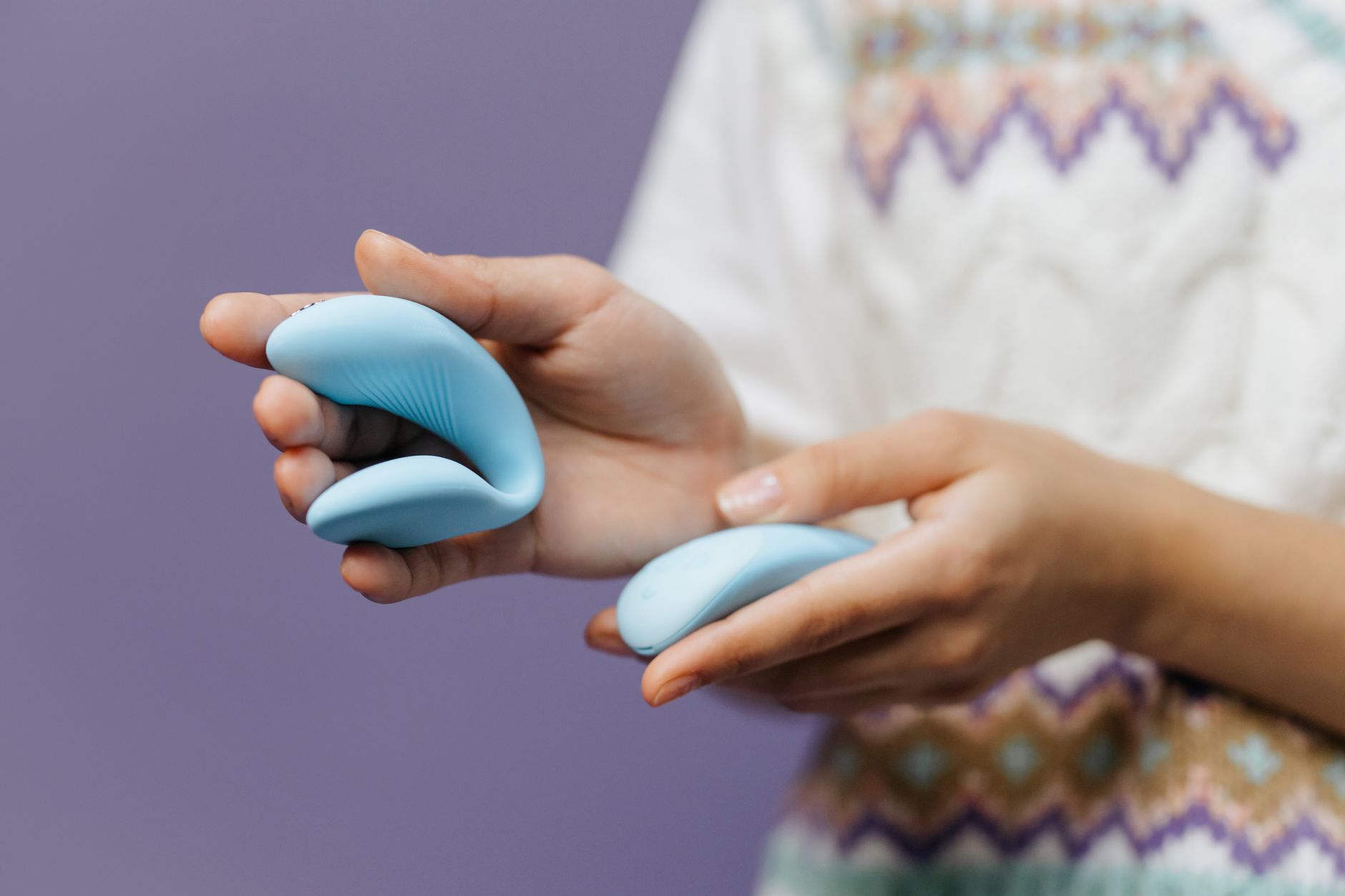
Photo by cottonbro studio on Pexels
The medications and conditions that reduce sensitivity
Knowing why helps you stay patient with the process.
Antidepressants (SSRIs especially) are notorious for numbing sensation. So are some blood pressure medications, antihistamines, and hormonal birth control. When you're managing any of these, reduced sensation is a known side effect. It's not permanent, but it does require adjustment.
Low estrogen (from menopause, certain cancers treatments, or hormonal suppression) thins the clitoral tissue and changes nerve responsiveness. A lemon clitoral vibrator works particularly well here because suction doesn't require the same tissue thickness that traditional vibration does.
Pelvic floor dysfunction creates a different kind of sensitivity loss. When pelvic floor muscles are chronically tight, they actually reduce blood flow to the clitoris and dampen nerve signaling. Using a lemon vibrator on low settings while doing gentle pelvic floor relaxation (breathing deeply, releasing tension on exhale) can help restore sensation faster than either approach alone.
What lubricant actually does for sensitivity
Lubricant is not optional when sensitivity is low. It's infrastructure.
Water-based lube creates a buffer between the toy and your skin, which actually makes sensation clearer not duller. It allows the suction to work more effectively because the seal is better. And it reduces friction-based irritation, which means you can use the toy longer without your nervous system shutting down from discomfort.
I recommend reapplying lube every few minutes, especially when you're in the early weeks of rebuilding sensation. Drying out mid-session teaches your nervous system that this doesn't feel good, which is the opposite of what you want.
Combining lemon vibrators with other approaches
Toys work better alongside other things.
Mindfulness matters. When sensitivity is low, distraction kills the experience. You're already fighting reduced nerve response. Add a wandering mind and you've got no chance. Spending 30 seconds before you start, eyes closed, just noticing the sensations already present in your body is not wasted time. It's tuning the instrument.
Pelvic floor awareness changes everything. Tight muscles squeeze blood vessels and reduce sensation. A two-minute routine of deep breathing with intentional relaxation (contract on inhale, release fully on exhale) before using the lemon vibrator often makes the difference between "I felt nothing" and "Oh, there it is." This is especially true if reduced sensitivity is paired with pain or tension.
Partner involvement, if applicable, shifts things. A partner's hand on your thigh, their voice, eye contact, or their attention to what you're experiencing activates different neural pathways than solo use. Some people find that they have zero sensation alone but significant sensation with a partner present. That's not weakness. That's nervous system reality.
When to see a provider
If sensitivity loss is recent and sudden, or if it's paired with pain, vaginal atrophy, or significant emotional distress, see a provider. Some causes (like pelvic radiation effects, serious hormonal shifts, or nerve damage) need professional evaluation.
A menopause specialist, pelvic floor physical therapist, or sex medicine doctor can identify what's actually happening and rule out things that need medical intervention. Some reduced sensitivity is easily reversible with topical estrogen. Some is medication-related and improves if you switch drugs. Some is pelvic floor tension that responds beautifully to PT. You won't know unless you ask.
The patience part nobody wants to hear
Rebuildinging sensitivity takes time. Not forever. But not overnight either.
Most people see noticeable improvement in 4-6 weeks of consistent, gentle use. Some take 8-12 weeks. A few take longer, especially if the cause is systemic (like major hormonal shifts). This is not a failure. This is your nervous system remembering how to respond.
The point is not to white-knuckle through it trying to force an orgasm that isn't coming. The point is to use the lemon vibrator as a tool for gradually waking up the area, rebuilding blood flow, and teaching your nerves they're safe to respond again.
Your pleasure is still in there. It's just asking for a different approach.
Frequently asked questions
Can lemon vibrators actually help if I have almost no sensation at all?
Yes, often dramatically. Suction engages different nerve pathways than vibration alone. Many people who feel nothing with traditional toys feel something immediately with a lemon vibrator, even on the lowest setting. That initial sensation is the signal that your system can be reactivated. Start low, be patient, and give it 3-4 weeks before concluding it's not working.
Is reduced sensitivity a sign that I've masturbated too much or used toys too long?
No. Reduced sensitivity comes from hormones, medications, stress, pelvic tension, or age. Not from use. In fact, consistent, healthy use often improves sensation over time because it maintains blood flow and neural activity. If you're anxious about this, that anxiety itself reduces sensitivity by activating your sympathetic nervous system. Permission and self-compassion are part of the solution.
Should I use the lemon vibrator every day or take breaks?
Daily is fine for the first month as you're rebuilding sensation. After that, listen to your body. Some people feel best with daily use. Others do better with 4-5 days a week. A minority need multiple days off to let sensation reset. There's no universal rule. The goal is sustainable pleasure, not a perfectionistic schedule.
Can reduced sensitivity improve without a toy at all?
Sometimes. If the cause is stress or pelvic tension, relaxation practices, pelvic floor PT, or meditation can help. If it's hormonal, topical estrogen sometimes works. But a lemon vibrator accelerates the process because it provides direct stimulus while you're also addressing underlying causes. Think of it as support, not a band-aid.
How do I know if it's reduced sensitivity or just low desire?
Desire and sensation are different. Low desire is "I don't want to touch myself." Reduced sensitivity is "I want to, but I can't feel anything when I do." They can happen together, but they're separate problems. How to Use Lemon Vibrators for Arousal When You're Managing Anxiety addresses desire specifically. If you have sensation but struggle with arousal, that's a different article and a different solution.
Is it normal to need higher and higher intensity over time?
Not exactly. What usually happens is that as sensation rebuilds, you discover you actually prefer different intensities for different moods, not just higher ones. A fresh clitoris is nuanced. You might use pattern 2 for extended pleasure and pattern 4 for quick intensity. That's not desensitization. That's sophistication.
The bottom line
Reduced clitoral sensitivity feels permanent until it isn't. A lemon vibrator, used consistently and patiently, combined with attention to underlying causes, rebuilds sensation in most cases. Your nervous system is not broken. It's just waiting for the right signal. If you'd like personalized guidance on rebuilding pleasure after sensitivity loss, reach out here. We're here to help you reconnect.